
House hacking examples show real people how to slash housing costs or eliminate them entirely. The concept is simple: use your property to generate income that covers your mortgage, taxes, and insurance. Some house hackers live rent-free. Others pocket extra cash each month.
This strategy works for first-time buyers, seasoned investors, and everyone in between. Whether someone owns a single-family home or a fourplex, opportunities exist to turn living space into a money-making asset. The following house hacking examples break down the most popular methods, their benefits, and what makes each approach work.
Table of Contents
ToggleKey Takeaways
- House hacking examples range from renting spare bedrooms to owning multifamily properties, each offering a path to reduce or eliminate housing costs.
- Renting extra bedrooms is the simplest house hacking method, requiring minimal investment while potentially covering most of your mortgage.
- Multifamily properties (duplexes, triplexes, fourplexes) qualify for FHA loans with just 3.5% down and can generate positive cash flow from day one.
- Accessory dwelling units (ADUs) provide rental income while maintaining privacy, with many cities relaxing regulations to make construction easier.
- Short-term rentals on Airbnb or Vrbo offer flexible, high-income potential but require more active management and compliance with local regulations.
- Tax benefits like utility deductions, maintenance write-offs, and depreciation further boost returns for house hackers.
Renting Out Extra Bedrooms
Renting out extra bedrooms is the simplest house hacking example. Homeowners with spare rooms can list them on platforms like Roommates.com, Facebook Marketplace, or Craigslist. A single tenant paying $600 to $1,200 per month can offset a significant portion of housing expenses.
This house hacking method requires minimal investment. The homeowner already owns the space. They just need to furnish the room and find a reliable tenant. Background checks and rental agreements protect both parties.
Consider a homeowner with a $1,800 monthly mortgage. They rent two bedrooms for $700 each. That’s $1,400 in monthly income, leaving only $400 out of pocket for housing. Some homeowners rent three or four bedrooms and live completely free.
The key to success with this house hacking example lies in tenant selection. Good tenants pay on time and respect shared spaces. Bad tenants create headaches. Smart house hackers screen carefully and set clear expectations from day one.
Tax benefits add another advantage. Homeowners can deduct a portion of utilities, maintenance, and even depreciation based on the percentage of space rented. These deductions reduce taxable income and boost overall returns.
Buying a Multifamily Property
Buying a multifamily property represents one of the most powerful house hacking examples available. The owner lives in one unit and rents out the others. Duplexes, triplexes, and fourplexes all qualify for this strategy.
Here’s why multifamily house hacking works so well: FHA loans allow buyers to put down just 3.5% on properties with up to four units. The buyer must occupy one unit as their primary residence. Rental income from the other units helps qualify for the loan.
Let’s look at real numbers. A triplex costs $400,000. The buyer puts down $14,000 (3.5%). Monthly mortgage, taxes, and insurance total $2,800. Each of the two rental units brings in $1,500. That’s $3,000 in rental income against $2,800 in expenses. The owner lives free and pockets $200 monthly.
This house hacking example builds wealth in multiple ways. The owner gains equity as tenants pay down the mortgage. Property values typically appreciate over time. And the rental income provides immediate cash flow.
Multifamily properties do require more management than single-family homes. Owners handle tenant issues, maintenance requests, and vacancy turnovers. Many house hackers consider this effort worthwhile given the financial rewards. Others hire property managers once they scale to multiple buildings.
Accessory Dwelling Unit Rentals
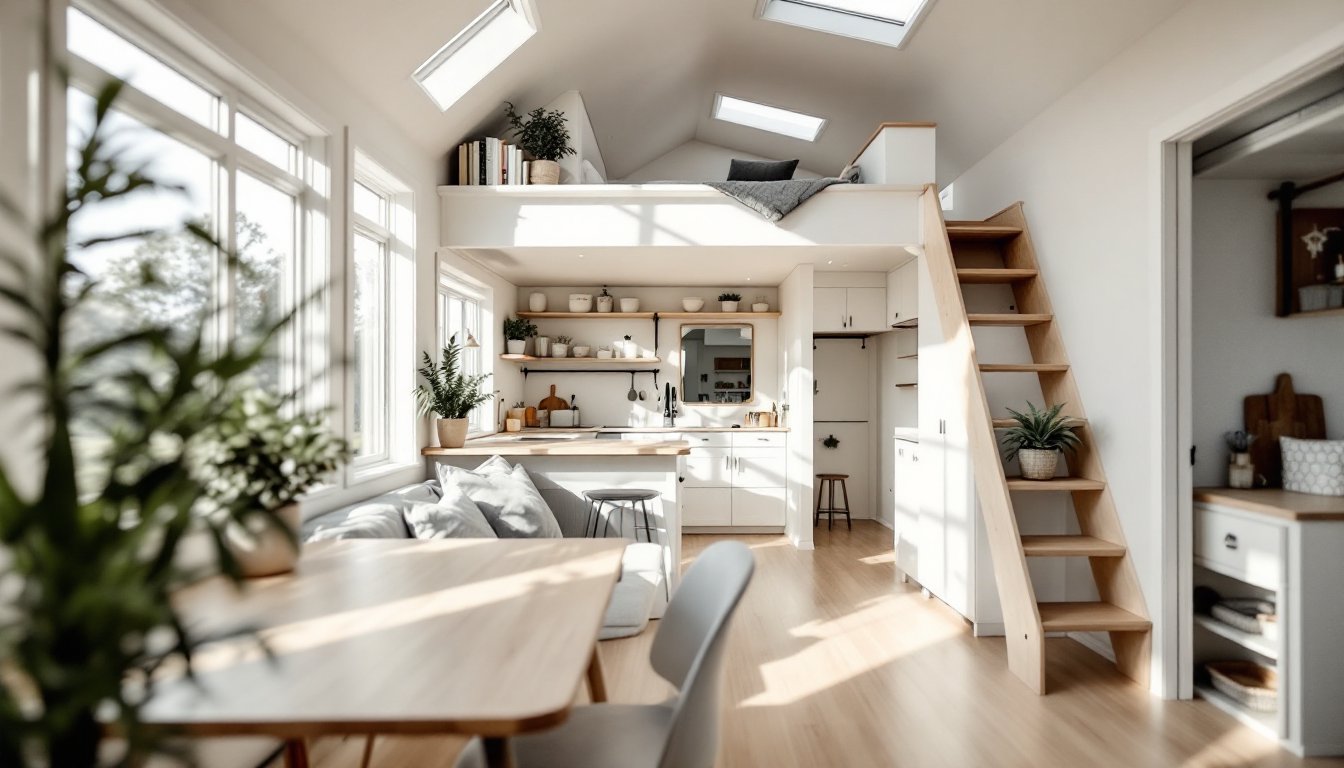
Accessory dwelling unit (ADU) rentals offer another compelling house hacking example. An ADU is a secondary housing unit on the same lot as a primary residence. These include basement apartments, garage conversions, and backyard cottages.
ADUs provide separation that bedroom rentals can’t match. The homeowner maintains privacy while still generating rental income. Tenants appreciate having their own entrance, kitchen, and bathroom. This arrangement often commands higher rents than shared living situations.
Building an ADU costs between $50,000 and $150,000 depending on size and location. Some homeowners convert existing space for less. The investment typically pays for itself within five to ten years through rental income.
Many cities have relaxed ADU regulations in recent years. California, Oregon, and Washington now make ADU construction easier than ever. Homeowners should check local zoning laws before starting any project.
This house hacking example works especially well for those who value privacy. A detached backyard unit creates complete separation between owner and tenant. Monthly rents for ADUs often range from $1,000 to $2,500, depending on the market. That income stream transforms a regular home into an income-producing asset.
Short-Term and Vacation Rentals
Short-term and vacation rentals represent flexible house hacking examples with high income potential. Platforms like Airbnb and Vrbo connect property owners with travelers seeking alternatives to hotels.
This house hacking approach offers unique advantages. Owners can rent space only when convenient. They block off dates for personal use or visiting family. Income potential often exceeds traditional long-term rentals, sometimes by two or three times.
A spare bedroom in a popular city might rent for $80 to $150 per night. At 15 nights per month, that’s $1,200 to $2,250 in income. Entire home rentals during peak seasons can generate even more.
Short-term house hacking requires more active management. Owners handle bookings, cleanings, and guest communication. Some hire cleaning services and use automated messaging to reduce the workload.
Local regulations matter for this house hacking example. Some cities restrict short-term rentals or require special permits. Others ban them entirely in certain zones. Successful house hackers research local rules before listing their property.
The vacation rental market has matured significantly. Guests expect quality photos, accurate descriptions, and responsive hosts. Those who deliver earn positive reviews and command premium prices. Poor performers struggle to attract bookings.