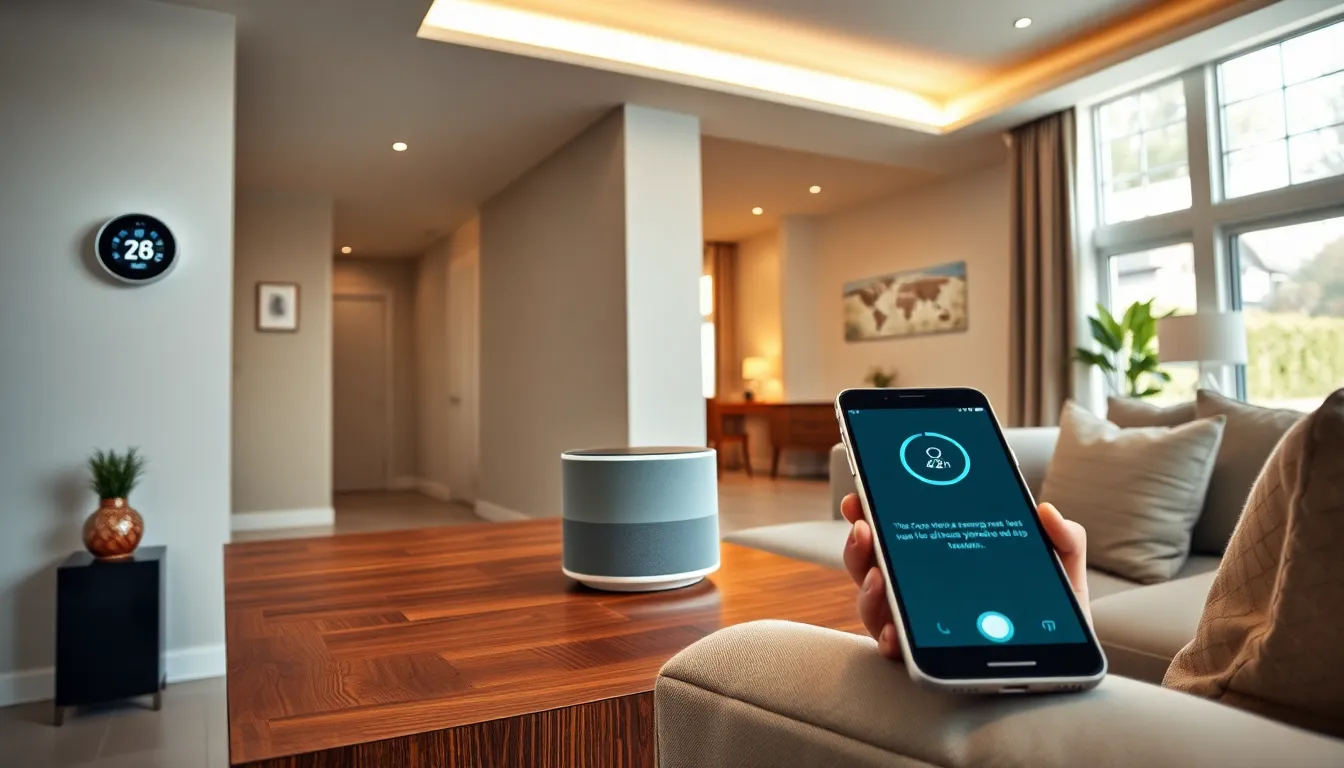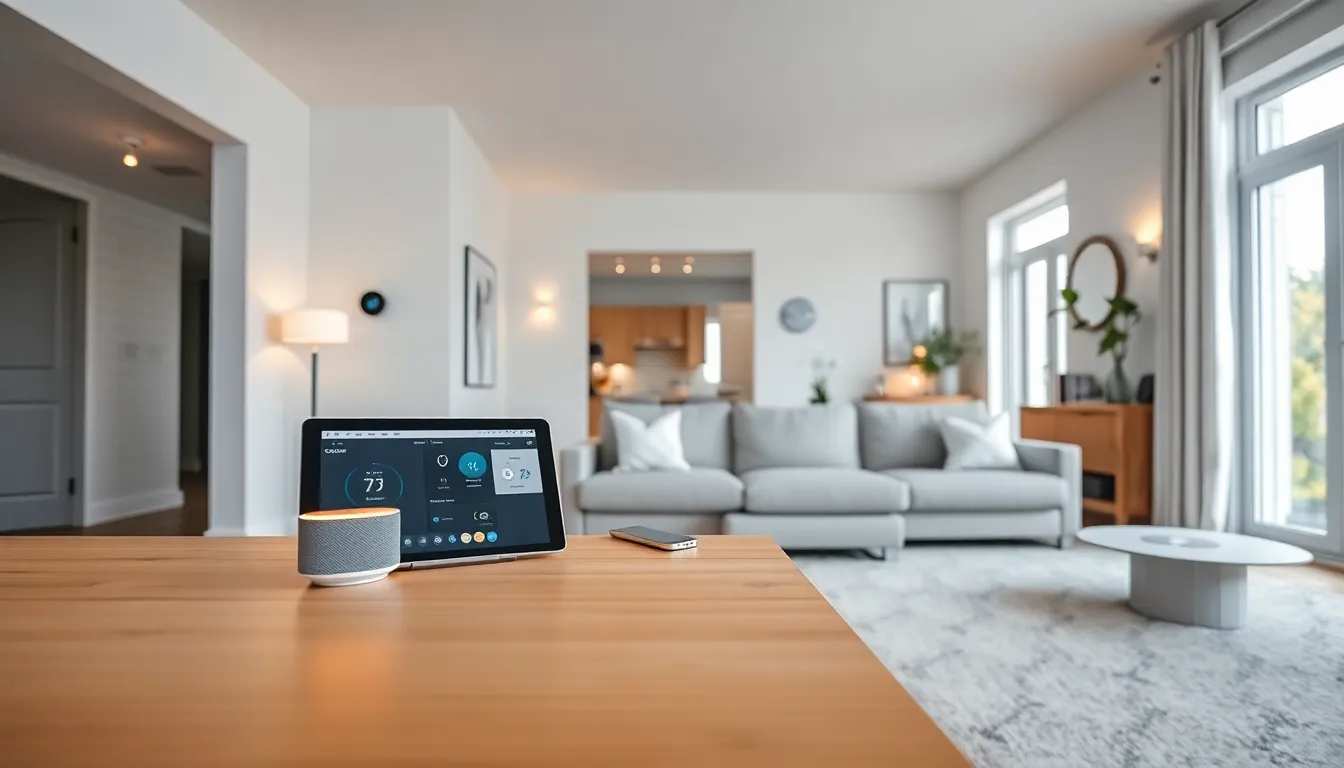
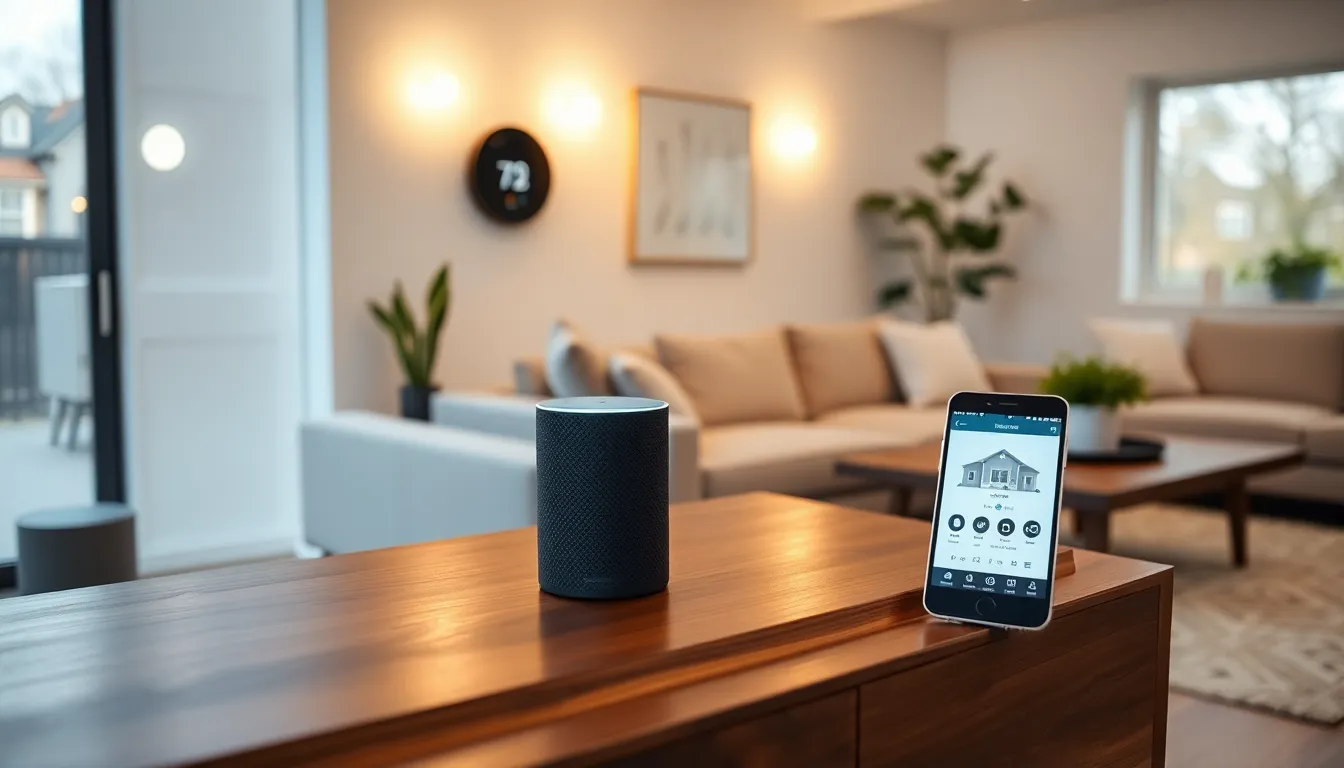
Smart home tech transforms ordinary houses into connected, efficient living spaces. Devices like smart speakers, thermostats, and lighting systems now work together to simplify daily routines. Getting started with smart home tech doesn’t require technical expertise or a massive budget. This guide covers the basics of smart home technology, the best devices for beginners, setup steps, and practical tips to create a seamless experience. Whether someone wants to save energy, boost security, or just control their lights with voice commands, this article provides a clear roadmap.
Table of Contents
ToggleKey Takeaways
- Smart home tech transforms everyday devices into connected systems that offer convenience, energy savings, and enhanced security.
- Start with beginner-friendly devices like smart speakers, bulbs, and plugs before expanding your setup gradually.
- Choose one central platform—Amazon Alexa, Google Home, or Apple HomeKit—and stick with it to avoid compatibility issues.
- Smart thermostats can reduce energy bills by 10-15% by learning your schedule and adjusting temperatures automatically.
- Prioritize security by using strong passwords, enabling two-factor authentication, and keeping device firmware updated.
- Create automation routines like “Good Morning” or “Goodnight” to control multiple smart home devices with a single command.
What Is Smart Home Technology?
Smart home technology refers to devices and systems that connect to the internet and can be controlled remotely. These devices communicate with each other and with users through apps, voice assistants, or automation routines.
At its core, smart home tech uses wireless protocols like Wi-Fi, Zigbee, Z-Wave, or the newer Matter standard to link devices together. A smart thermostat, for example, learns heating and cooling preferences over time. A smart lock lets homeowners unlock doors from their phones. Smart lights turn on automatically when someone enters a room.
The appeal of smart home tech lies in convenience, energy savings, and security. According to industry data, the global smart home market is expected to exceed $330 billion by 2030. That growth reflects how many households now see these devices as practical investments rather than luxury gadgets.
Smart home systems range from simple single-device setups to comprehensive whole-home integrations. A beginner might start with one smart speaker and a few smart bulbs. Over time, they can add cameras, door sensors, smart plugs, and more. The key is that each device connects to a central hub or voice assistant, creating a unified system.
Essential Smart Home Devices for Beginners
Starting with smart home tech works best when beginners focus on a few core devices. These products offer immediate value and serve as building blocks for future expansion.
Smart Speakers and Voice Assistants
A smart speaker acts as the control center for most smart home setups. Amazon Echo, Google Nest, and Apple HomePod are the most popular options. Users issue voice commands to play music, set timers, check the weather, or control other smart devices. Choosing a speaker often depends on which ecosystem, Alexa, Google Assistant, or Siri, fits existing habits.
Smart Lighting
Smart bulbs and light switches rank among the easiest upgrades. Brands like Philips Hue, LIFX, and Wyze offer bulbs that change color, dim on command, and run on schedules. Installing a smart bulb takes seconds, just screw it in and connect through an app. Smart switches work well for those who want to keep standard bulbs but add smart controls.
Smart Thermostats
A smart thermostat like the Nest Learning Thermostat or Ecobee can cut energy bills by 10-15%. These devices learn household schedules and adjust temperatures automatically. Users can also control them remotely, so they never heat or cool an empty house.
Smart Plugs
Smart plugs turn ordinary appliances into smart devices. Plug a lamp, fan, or coffee maker into a smart plug, and it becomes controllable via app or voice. They’re affordable, often under $15, and require zero installation.
Smart Security Cameras and Doorbells
Video doorbells like Ring or Nest Hello let homeowners see who’s at the door from anywhere. Indoor and outdoor cameras add another layer of security. Many offer motion detection, two-way audio, and cloud storage for recordings.
Setting Up Your Smart Home Ecosystem
Building a smart home ecosystem takes some planning, but the process is straightforward.
Step 1: Choose a Central Platform
Before buying devices, decide on a central platform. Amazon Alexa, Google Home, and Apple HomeKit are the main options. Each has strengths. Alexa supports the widest range of third-party devices. Google Assistant excels at answering questions and integrating with Android phones. Apple HomeKit prioritizes privacy and works best for iPhone users.
Pick one platform and stick with it. Mixing ecosystems creates compatibility headaches.
Step 2: Ensure Strong Wi-Fi Coverage
Smart home tech depends on reliable Wi-Fi. A weak signal causes delays, disconnections, and frustration. Before adding devices, test Wi-Fi strength in every room. Mesh Wi-Fi systems like Eero, Google Nest WiFi, or TP-Link Deco extend coverage throughout larger homes.
Step 3: Start Small
Begin with two or three devices. A smart speaker plus a few smart bulbs makes a solid foundation. Learn how they work together before adding more. This approach prevents overwhelm and helps identify which features matter most.
Step 4: Download the Right Apps
Each device typically requires its own app for initial setup. After setup, most devices can be controlled through the central platform’s app, like the Alexa app or Google Home app. Some users prefer dedicated apps for advanced features.
Step 5: Create Automations and Routines
Once devices are connected, automations bring the real magic. A “Good Morning” routine might turn on lights, read the weather, and start the coffee maker. A “Goodnight” routine could lock doors, turn off lights, and lower the thermostat. Most platforms make creating these routines simple through their apps.
Tips for a Seamless Smart Home Experience
A few practical tips help users get the most from their smart home tech investment.
Prioritize Security
Connected devices can be vulnerable to hackers. Use strong, unique passwords for each account. Enable two-factor authentication whenever possible. Keep firmware updated, manufacturers regularly patch security flaws.
Check Compatibility Before Buying
Not every smart device works with every platform. Before purchasing, verify compatibility with the chosen ecosystem. The Matter standard, launched in 2022, aims to improve cross-platform compatibility, but not all devices support it yet.
Use a Dedicated Network
Some routers allow users to create a separate network for smart home devices. This keeps smart home tech isolated from computers and phones, adding a layer of protection.
Label Devices Clearly
When setting up devices, use clear names. “Living Room Lamp” works better than “Light 1.” Voice commands become easier when device names are intuitive.
Plan for Power Outages
Smart devices need power and internet to function. During outages, most revert to manual operation or stop working entirely. Keep backup options available, a physical key for smart locks, for instance.
Expand Gradually
Resist the urge to buy everything at once. Add devices over months, learning how each one integrates with the existing setup. This approach saves money and reduces troubleshooting headaches.