Tiny house resorts are reshaping how people vacation in 2026, offering a refreshing alternative to sprawling hotel chains and pricey vacation rentals. These compact, thoughtfully designed retreats combine the charm of intimate accommodations with the convenience of resort amenities, all at a fraction of traditional lodging costs. Whether you’re seeking an eco-conscious getaway, a budget-friendly escape, or simply a chance to experience minimalist living firsthand, tiny house resorts deliver a unique travel experience that appeals to homeowners, design enthusiasts, and anyone curious about sustainable living. This article explores what defines these growing destinations, their benefits, top North American locations, design insights, and how to plan your visit.
Table of Contents
ToggleKey Takeaways
- Tiny house resorts offer nightly rates of $100–$250, significantly cheaper than traditional mid-range hotels while maintaining quality amenities and the convenience of kitchenettes.
- These compact, purpose-built vacation destinations reduce energy consumption by 30–50% and support sustainable travel through smaller land footprints, eco-certified materials, and efficient design.
- Top North American locations span wine country in California, mountain regions in Vermont and New Hampshire, and desert hospitality in Texas and Arizona, each offering distinct regional aesthetics for design enthusiasts.
- Strategic interior design principles like multi-functional furniture, vertical storage, layered lighting, and intentional decor make tiny house resort spaces feel luxurious and inspire homeowners optimizing their own compact living areas.
- Planning a successful tiny house resort stay requires reading detailed reviews, confirming utilities and amenities, booking off-peak dates for better rates, and embracing slower travel rhythms that encourage deeper engagement with minimalist living.
What Defines a Tiny House Resort
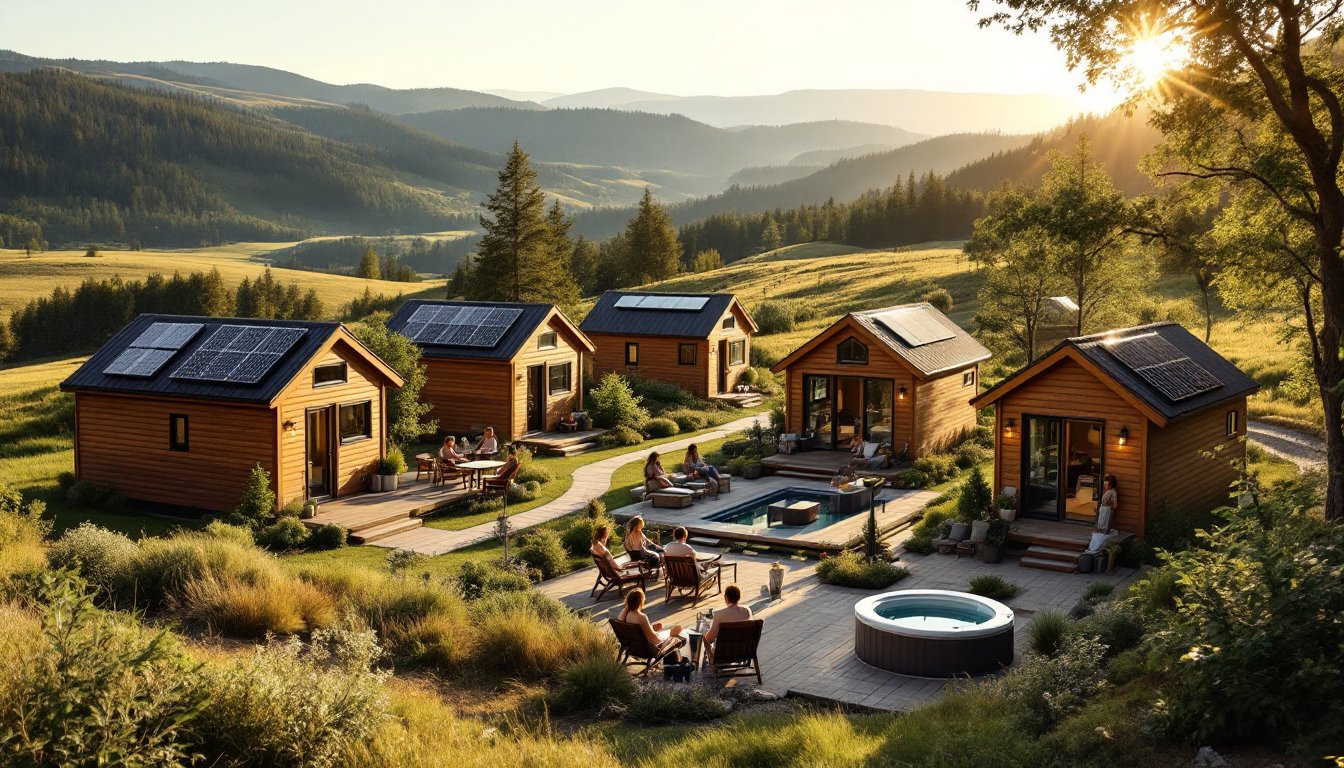
A tiny house resort is a cluster of compact, fully equipped dwellings, typically ranging from 200 to 400 square feet, designed to operate as a cohesive vacation destination rather than isolated rentals. Each unit functions as a self-contained home with a bedroom, bathroom, kitchenette, and living area, often built on permanent foundations or elevated platforms. Unlike traditional hotels, these resorts emphasize individuality and authentic space management. Many feature on-site amenities like communal gathering areas, pools, hot tubs, restaurants, or activity centers that encourage guest interaction.
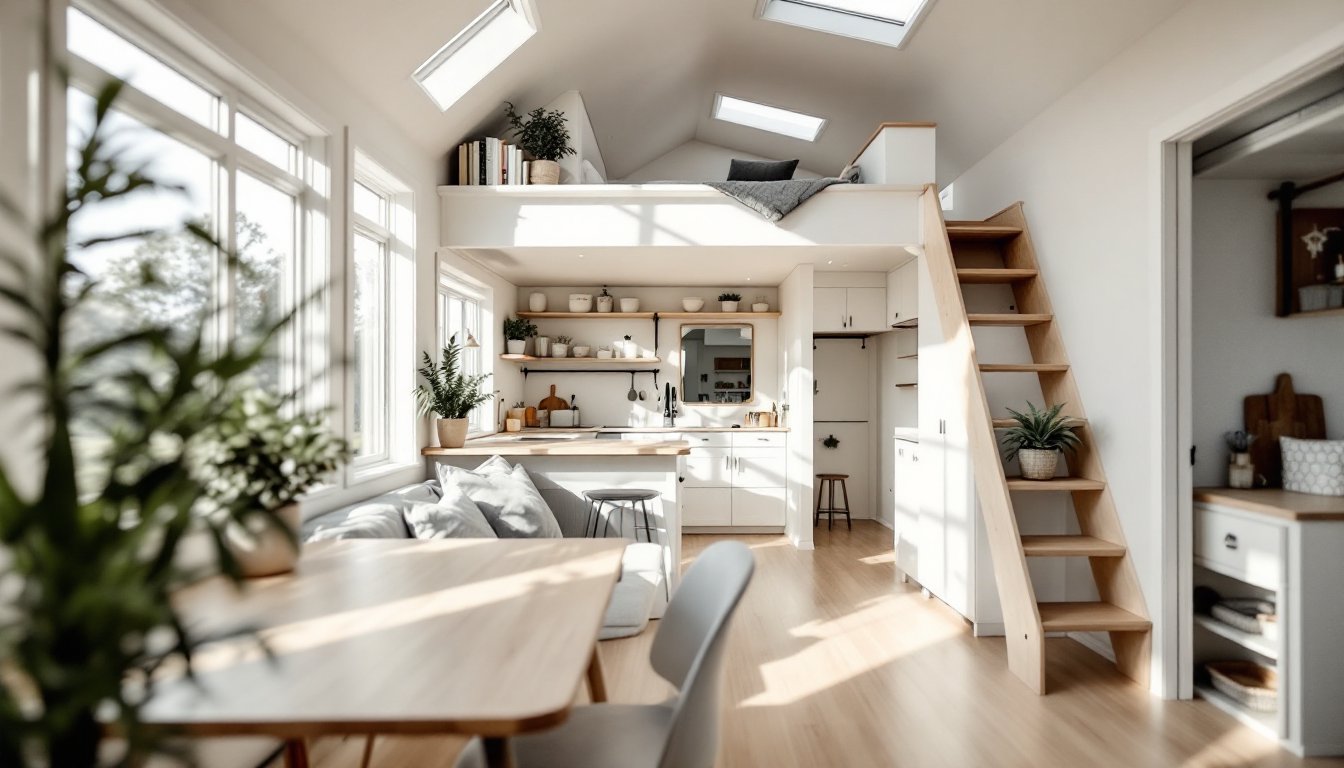
What distinguishes a tiny house resort from a simple tiny home rental is the intentional design philosophy and shared infrastructure. The units are purpose-built for vacationing, not conversions of full-size homes, with efficient layouts, durable materials rated for high turnover, and strategic use of vertical space. Construction typically uses standard framing and building codes but optimizes every square inch. Common structural choices include open-concept layouts, lofted sleeping areas to maximize floor space, and large windows to avoid a cramped feel. The overall aesthetic often blends modern minimalism with rustic or regional architectural character.
Key Benefits of Staying at a Tiny House Resort
Affordability and Cost Savings
The primary draw of tiny house resorts is cost. A night at a well-appointed tiny house typically ranges from $100 to $250, compared to $180 to $400+ for mid-range hotels in the same region. This savings stems from lower operating costs, reduced utilities, simplified housekeeping, and minimal common area overhead. Guests also benefit from kitchenettes, eliminating the need to eat every meal at resort restaurants. For families or groups sharing a unit, the per-person nightly cost drops even further, making extended stays feasible for budget-conscious travelers.
Many resorts offer package deals: multi-night discounts, off-season rates, or bundled activities. Since tiny houses occupy less land per unit, resorts can accommodate more guests on smaller footprints, spreading fixed costs across more bookings. This efficiency directly translates to guest savings without sacrificing comfort or amenities.
Eco-Friendly Travel and Sustainable Design
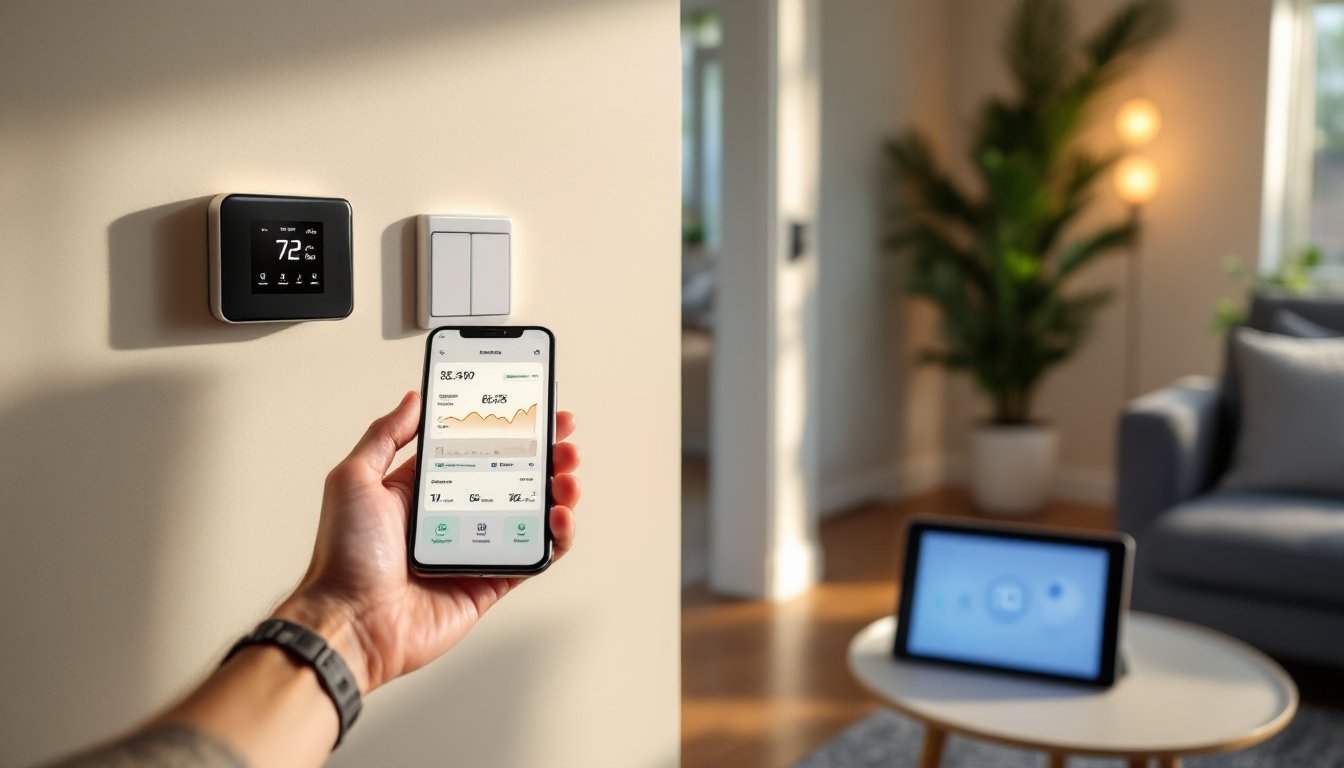
Tiny house resorts inherently support sustainability through reduced resource consumption. Smaller spaces require less heating, cooling, and electricity, many feature high-efficiency HVAC systems, LED lighting, and smart thermostats that slash utility usage by 30–50% compared to standard hotel rooms. Resorts often employ greywater recycling, low-flow fixtures, and renewable energy sources like solar panels.
The building footprint is smaller, meaning less land disruption and habitat impact. Many resorts prioritize locally sourced materials, non-toxic finishes, and FSC-certified wood. Design emphasizes durability over disposability, solid construction means fewer repairs and replacements, reducing waste. Guests staying at eco-certified resorts report feeling aligned with their environmental values, and the intimate scale encourages slower travel rhythms that lower carbon footprints compared to jam-packed resort tourism. This aligns perfectly with the values of homeowners and design enthusiasts who prioritize sustainability in their own living spaces.
Popular Tiny House Resort Destinations Across North America
Several standout tiny house resorts have emerged across North America, each with distinct regional character. Airbnb’s Tiny House Collection features clusters in Sonoma County, California: the Texas Hill Country: and upstate New York, all blending local aesthetics with modern compact living. The Sonoma locations emphasize wine-country charm, while Texas properties showcase rustic farmhouse touches. New York resorts lean into Catskills-inspired minimalism.
In the Northeast, Vermont and New Hampshire have pioneered tiny house hospitality, with resorts capitalizing on mountain views and outdoor recreation. Many are positioned near hiking trails, ski resorts, or lake access. The Pacific Northwest, Oregon and Washington, features resorts with modern Scandinavian-inspired interiors and proximity to forests and coast. These destinations align with the aesthetic values that homeowners who follow design blogs and interior inspiration sites naturally gravitate toward.
Texas and Arizona have embraced the trend for desert and hill-country hospitality. The affordability factor is especially appealing in these regions, where land is cheaper and year-round tourism is feasible. Canada’s British Columbia hosts several eco-focused tiny house resorts catering to outdoor enthusiasts. Each destination offers a different vacation flavor, some emphasize wellness and relaxation, others adventure and exploration, but all share the efficient, thoughtful design ethos that resonates with DIY-minded guests who appreciate intentional spaces.
Interior Design and Decor Ideas From Tiny House Resorts
Tiny house resort interiors offer actionable lessons for any homeowner tackling a compact space. The most successful designs follow a few principles: multi-functional furniture that serves dual purposes (beds with storage, ottomans with hidden compartments), light color palettes to visually expand rooms, and strategic storage solutions integrated into walls and ceilings. Vertical space becomes currency, floating shelves, wall-mounted desks, and lofted sleeping areas free floor area for living and movement.
Lighting is layered, never relying on a single ceiling fixture. Designs incorporate task lighting (reading lamps, under-cabinet strips), accent lighting (wall sconces, pendant lights), and natural light maximization through large windows and skylights. Mirrors and reflective surfaces bounce light and create the illusion of depth. Decor remains intentional and minimal, every piece earns its place. Resorts often use a neutral backdrop (whites, grays, natural wood tones) with accent colors introduced through textiles, artwork, or plants.
Resorts that inspire guest return visits pay special attention to comfort psychology. Soft furnishings (quality bedding, plush rugs), natural materials (reclaimed wood, stone), and personal touches (local art, curated book collections) make compact spaces feel luxurious rather than cramped. The kitchenette is efficient but not industrial, stainless appliances, quality cookware, and a small dining counter with bar seating encourage guests to cook and gather. Bathrooms, even though being small, feel spa-like through rainfall showerheads, natural soap, and proper ventilation. Homeowners looking to optimize their own tight spaces can steal these resort-tested tricks for decor, furniture selection, and spatial psychology.
How to Plan Your Tiny House Resort Getaway
Planning a tiny house resort stay differs slightly from booking a traditional hotel, so approach it strategically. First, clarify what you’re seeking, affordability, eco-tourism, a specific region, or design inspiration. Browse resort websites carefully: read guest reviews on multiple platforms focusing on comments about space, amenities, and property maintenance. Photos can be deceiving, so look for 360-degree tours or video walkthroughs.
Check what’s included: some resorts offer daily housekeeping, others weekly: some provide bedding and toiletries, others expect guests to bring basics. Confirm Wi-Fi quality if you’re working remotely, tiny house resorts vary widely in connectivity. Verify what utilities and appliances function year-round if you’re visiting shoulder seasons.
Book during off-peak times (late autumn, early spring, weekdays) for better rates and a quieter experience. Multi-night stays typically offer discounts. Ask whether the resort allows pets, requires group minimums, or imposes noise restrictions, details matter in close-quarters environments. Research proximity to restaurants, grocery stores, and activities: some remote resorts assume you’ll cook and entertain yourself, while others have robust on-site offerings.
Pack thoughtfully for tight quarters. Bring versatile clothing, limit luggage, and leave room for impulse purchases. If you’re visiting for design inspiration, studying layouts, storage solutions, or decor, request properties with design-forward interiors and ask resort staff about materials, finishes, and furnishings. Many resorts welcome design enthusiasts and share sourcing information. Finally, embrace the pace: tiny houses encourage slower travel, longer stays, and deeper engagement with place. Don’t schedule every hour: instead, allow time for reading, cooking, and simply experiencing minimalist living.