The tiny house movement has exploded beyond a niche trend into a genuine lifestyle shift for thousands of homeowners tired of sprawling square footage and bloated mortgage payments. Whether driven by financial pressure, environmental concerns, or a genuine desire for simpler living, people are reimagining what “home” means. A tiny house, typically defined as 400 square feet or fewer, demands serious design thinking and practical problem-solving. This guide walks you through the real decisions, not Instagram fantasies: how to plan a tiny house project, manage hidden costs, maximize every inch, and decide if downsizing is right for you.
Table of Contents
ToggleKey Takeaways
- Tiny house living offers significant financial savings through lower property taxes, utilities, and maintenance costs while addressing overconsumption and promoting intentional lifestyle choices.
- Successful tiny house design maximizes every square foot through vertical storage, lofted sleeping areas, open shelving, and multi-functional furniture that serves dual purposes.
- Financing and permitting for tiny house projects remain complex because banks are hesitant to lend and zoning laws vary by jurisdiction—research regulations and expect $80,000–$150,000+ for a finished, code-compliant home.
- Interior design tricks like light colors, strategic mirror placement, high ceilings, and minimalist curation make tiny spaces feel larger and more comfortable without increasing square footage.
- Tiny house viability depends on honest self-assessment of your lifestyle, family needs, and tolerance for constraint before committing to a downsizing project.
Why Tiny Houses Are Reshaping Modern Living
Tiny houses solve a problem most homeowners face: too much house, too much debt, too much maintenance. The average American home clocks in around 2,500 square feet: a tiny house cuts that by 80 percent or more. That difference translates directly to lower property taxes, cheaper utilities, less time cleaning, and freedom from the financial treadmill.
Beyond economics, tiny living forces intentional choices. You can’t accumulate junk when you have 200 square feet of bedroom. You think twice before buying something because you have nowhere to store it. This constraint sounds claustrophobic until you experience how liberating it actually is.
The movement also appeals to environmentally conscious builders and homeowners. Smaller structures use less material, less energy to heat and cool, and less land. Tiny houses on wheels side-step zoning restrictions in some areas, giving people flexibility to live where they want.
Of course, tiny living isn’t for everyone. Families with multiple children, people who work from home and need dedicated office space, or anyone who genuinely loves open living will find the adjustment brutal. Be honest about your lifestyle before committing.
Smart Design Solutions for Maximum Space Efficiency
Efficient tiny house design starts with a single rule: every inch earns its keep. Wasted wall space, dead corners, and undersized storage are luxuries you can’t afford.
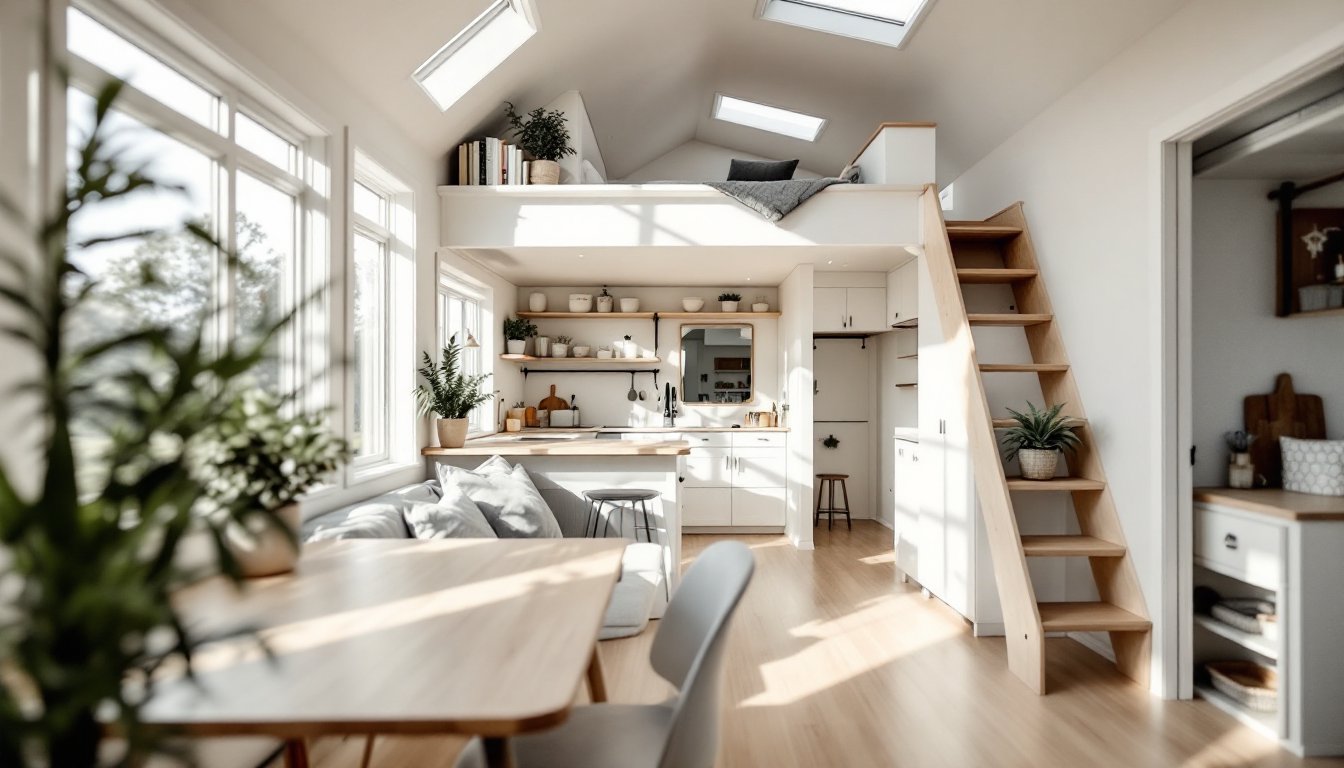
Vertical storage is non-negotiable. Install shelving from floor to ceiling in kitchen and bedroom areas. Use the space above doorways, it’s dead zone in a regular home but gold in a tiny house. Consider lofted sleeping areas to reclaim floor space below: just ensure headroom clearance for safety and comfort (7 feet minimum for living areas under IBC guidelines, though local codes vary).
Open shelving instead of cabinets makes spaces feel larger and forces you to keep only what you actually use. Closed storage (closets, cabinets) visually shrinks rooms: open shelving paradoxically expands them. That said, some closed storage is essential for items you don’t want on display.
Narrow hallways and efficient layouts minimize wasted circulation space. Every hallway is wasted square footage. Consider an open-plan layout where bedroom, kitchen, and living areas flow together. Sliding doors consume less swing space than standard hinged doors, measure your doorway width carefully and account for the clearance a swinging door requires.
Large windows and skylights aren’t just nice: they’re structural strategy. Natural light makes small spaces feel infinite. If budget allows, skylights above sleeping or living areas provide both light and a sense of height.
Multi-Functional Furniture and Storage Hacks
Multi-functional furniture isn’t optional in a 300-square-foot home, it’s foundational. A bed with built-in drawers underneath, a kitchen island that doubles as a dining table, or a desk that folds into the wall all serve double duty.
Solid wood furniture that’s appropriately sized beats oversized pieces. A slim dining table (24–30 inches wide instead of 36–42 inches) seats four comfortably and takes up half the footprint of a standard table. Look at examples on IKEA Hackers where homeowners modify affordable furniture for custom tiny-house storage solutions.
Under-bed storage (rolling bins, drawers) captures wasted space. Hanging rod storage on bedroom walls stores coats, bags, and seasonal items vertically. A wall-mounted desk in the living area beats a freestanding one: it tucks against the wall and disappears when not in use.
Corner shelves and floating shelves in small alcoves feel custom-built but cost a fraction of built-ins. Tension rods in closets create double hanging space. These aren’t luxury touches, they’re survival tactics that keep the home functional without exploding square footage.
Practical Tips for Planning Your Tiny House Project
Planning a tiny house build requires clarity on whether you’re building from scratch, converting an existing structure, or buying a pre-built unit. Each path has different permits, timelines, and cost profiles.
New construction (traditional or tiny-home-specific builders) gives you full design control but requires site acquisition, permits, and financing. Many jurisdictions treat tiny houses like standard residential builds, which means full permitting, inspections, and code compliance. Some municipalities have adopted specific tiny-house zoning: research your area’s regulations before investing in design.
Conversions (renovating a shed, cottage, or accessory dwelling) are faster but constrained by existing footprints and structural limitations. You can’t easily add lofted sleeping areas if the ceiling is already 8 feet and you need 7-foot clearance in the main living area.
Tiny houses on wheels (THOWs) sidestep zoning restrictions in some areas but require a foundation plan, utility hookups, and liability insurance. They’re technically RVs in many jurisdictions, which creates legal gray areas, check local ordinances before planning.
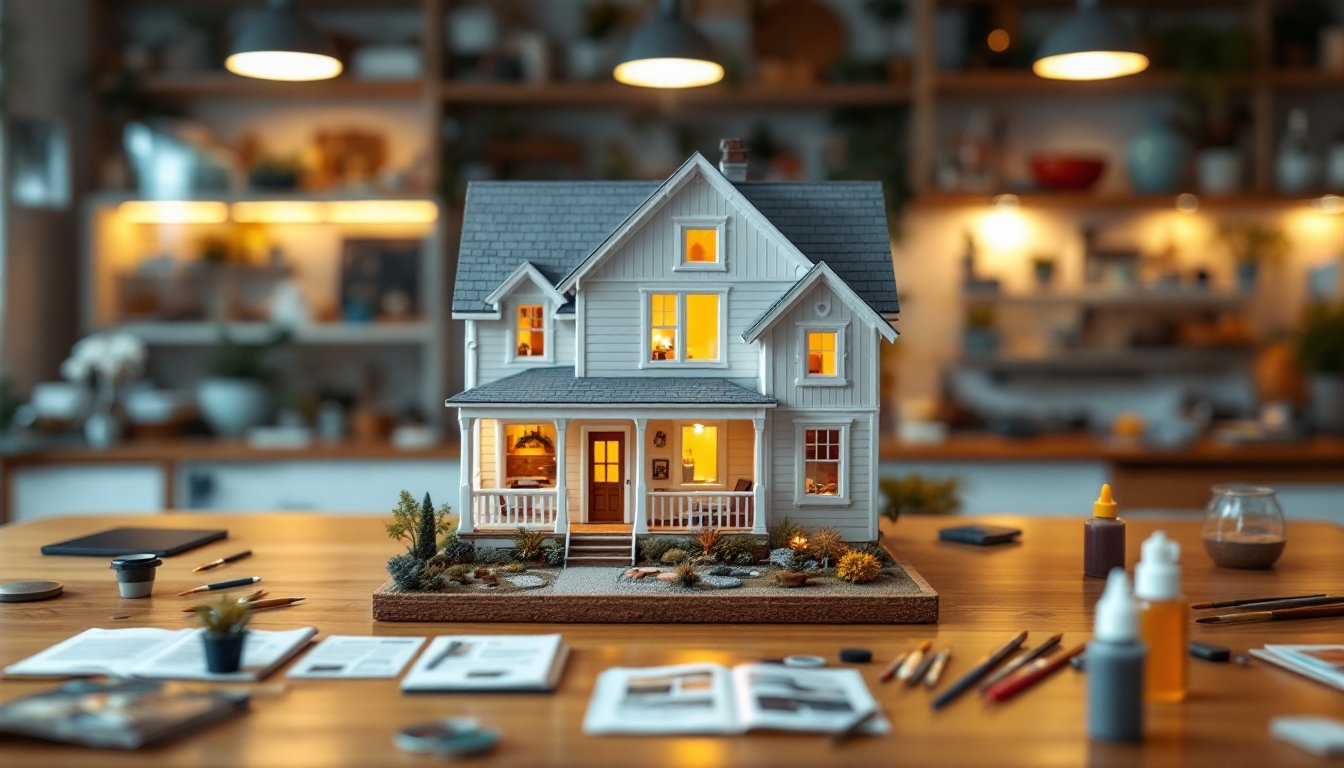
Measure twice, three times, and again. Sketch the layout to scale (1/4 inch = 1 foot on graph paper or use free tools like SketchUp). Walk through the space with measuring tape and test furniture placement. A bed that looks fine on paper might block a doorway in reality.
Factor in seasonal acclimation. Lumber, drywall, and hardwood all expand and contract with temperature and humidity changes. If building in winter, material will shift slightly in summer. Let materials sit in the space for a week before installation so they adjust to local conditions. This prevents gaps, warping, and nail pops later.
Build in some breathing room. Cramming every inch with function breeds exhaustion. At least one zone (a reading nook, outdoor deck, or loft corner) should feel restorative rather than utilitarian. House Hacking Examples: Smart explore creative downsizing and shared-living strategies that some find more realistic than total isolation in a 300-square-foot box.
Cost Considerations and Hidden Expenses to Know
Tiny houses are cheaper per square foot than traditional homes, but the math gets complicated fast. A builder-grade tiny house shell runs $40,000–$60,000: a finished, code-compliant tiny house runs $80,000–$150,000 or more, depending on region, materials, and finishes. If you’re building on your own land with professional labor, budget $150–$250 per square foot (compared to $120–$180 for a traditional home, regional variation despite).
Hidden costs derail most budgets. Site prep (clearing, grading, utility connections) runs $5,000–$15,000 depending on how developed your lot is. If you’re running water, sewer, or electrical from the road, add another $3,000–$10,000. Tiny houses on wheels need a permanent foundation (concrete pad, frost-protected apron) to pass inspections: expect $2,000–$5,000.
Permits and inspections vary wildly by jurisdiction. Rural areas might rubber-stamp a tiny house: suburban municipalities often classify them as illegal accessory dwellings. Expect $500–$2,000 in permit fees plus potential fees to hire a contractor or engineer who understands tiny-house codes.
Material waste is real. Lumber, drywall, and flooring come in standard sizes: a 300-square-foot footprint doesn’t divide evenly. Budget 10–15 percent extra for waste and mistakes, especially if you’re learning as you build.
Finishing materials (kitchen, bathroom fixtures, flooring, paint, trim) are the biggest wildcard. A basic kitchen costs $3,000–$8,000: a modest bathroom runs $2,000–$5,000. Flooring and finishes can easily add $8,000–$15,000. Choose quality where you touch it (countertops, flooring, fixtures) and economize on paint and wall coverings that can change later.
Financing is also trickier than a traditional mortgage. Banks hesitate to lend on tiny houses because they’re hard to resell. Personal loans, construction loans, or cash purchases are more common. Research financing before you break ground.
Making Tiny Spaces Feel Bigger: Interior Design Tricks
Small spaces require optical tricks and psychological comfort. Light colors (white, cream, soft gray) reflect light and recede visually, making walls feel farther away. Dark colors absorb light and advance, making spaces feel smaller and heavier. This doesn’t mean your entire tiny house must be beige, use accent colors sparingly (one wall, or feature shelf) to add personality without shrinking the feel.
Mirror placement is an old trick but effective. A large mirror opposite a window bounces natural light around the room. Mirrored closet doors or sliding panels create the illusion of depth. Avoid mirrors directly across from each other (they create disorienting infinite reflections) and place them strategically to expand sightlines.
References like Apartment Therapy showcase countless examples of small-space living that balance functionality with aesthetics. Their tours of 300-square-foot apartments prove that constraint breeds creativity.
Ceiling height matters more in tiny houses than traditional homes. Light-colored ceilings feel higher: dark ceilings feel lower. Paint walls and trim the same color to blur boundaries and add height. Vertical elements (tall bookshelves, ceiling-hung storage, lofted sleeping areas) draw the eye upward.
Minimalism isn’t mandatory, but intentionality is. A tiny house filled with random clutter feels chaotic and claustrophobic. Curate your belongings ruthlessly, keep items that function well or genuinely make you happy. A few large artworks feel less cluttered than many small ones. Negative space (empty wall, empty shelf) is a design feature, not a failure.
Storage hidden behind doors or integrated into wall cavities keeps visual clutter down. Floor-to-ceiling cabinetry (in one color family) feels built-in and cohesive. Open shelving in the kitchen works beautifully if items are organized and attractive: stacks of mismatched plastic containers undermine the illusion of spaciousness. Advanced framing techniques like Fine Homebuilding articles explain can optimize wall space without sacrificing structure.
Conclusion
Tiny house living isn’t a trend destined to fade, it’s a practical answer to affordability, climate concerns, and a genuine desire for simplicity. Success depends on honest self-assessment (Do you actually want this? Can your family live comfortably here?), detailed planning, and realistic budgeting. The smallest projects fail because someone glossed over prep work: tiny houses fail for the same reason. Build or buy with intentionality, invest in smart design, and remember: living small works only if the space serves your lifestyle, not the other way around.