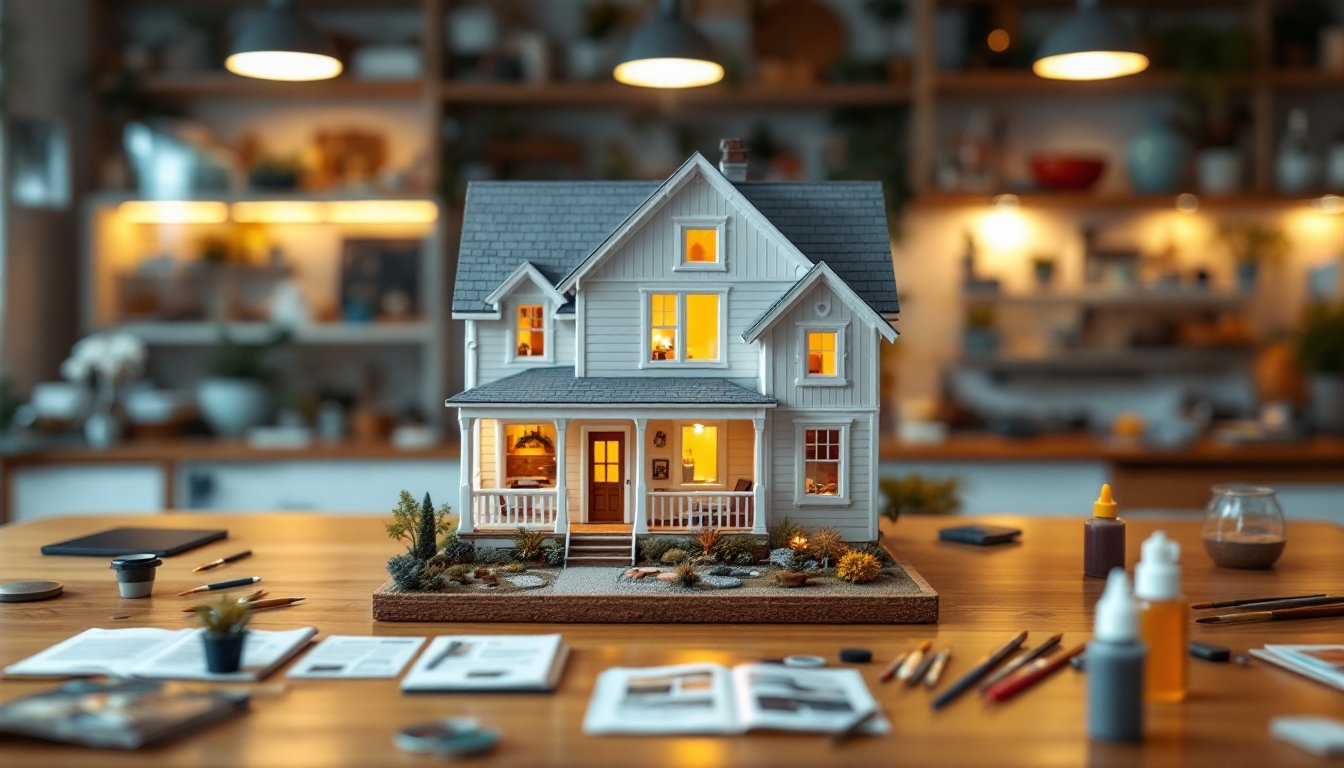
A 2 bedroom tiny house with loft is a smart answer for anyone tired of wasted space and oversized utility bills. Whether you’re downsizing, house hacking, or building from scratch, a lofted layout turns 400-600 square feet into genuine living room, bedrooms upstairs, living and kitchen below. The loft isn’t just extra sleeping space: it’s a blueprint for efficient living. This design works for families, remote workers needing a dedicated office, and anyone serious about cutting housing costs without sacrificing comfort. Here’s what you need to know to make it work.
Table of Contents
ToggleKey Takeaways
- A 2 bedroom tiny house with loft maximizes sleeping capacity without expanding footprint by stacking a lofted bedroom above the main living area, sleeping 2–4 people in 400–600 square feet.
- Building a tiny house with a loft costs roughly half per square foot compared to conventional homes and cuts utility bills by 60–75%, delivering substantial long-term savings.
- Loft bedrooms must meet code requirements: a 5.7 square foot egress window, 4-inch railing sphere clearance, and load-bearing joists rated for occupancy—safety and compliance ensure insurance protection.
- Strategic storage solutions like built-in platform beds, wall-mounted shelving, and under-bed drawers eliminate clutter in compact bedrooms and make tiny house living sustainable.
- Ventilation and light transform loft living: strategically placed windows, skylights, and HVAC positioning prevent the space from feeling cave-like and maintain year-round comfort.
- DIY platform bed frames ($150–250) and secondhand furniture save 40–60% versus retail while prioritizing durability over trends to match a tiny house lifestyle.
Why 2 Bedroom Tiny Houses With Lofts Are Perfect for Modern Living
Loft sleeping spaces solve the tiny house math problem: you need more beds without more footprint. A master bedroom on the main level paired with a lofted second bedroom or guest space gives you sleeping for two to four people in a single-story footprint. Load-bearing walls and floor joists work vertically instead of sprawling out horizontally.
One major advantage is cost. A 500-square-foot tiny house costs roughly half to build per square foot compared to a 2,000-square-foot conventional home, factoring in materials, labor, and land prep. Utility bills drop by 60–75% because you’re conditioning far less space. That’s not lifestyle fluff: that’s real money staying in your pocket.
The second draw is flexibility. House Hacking Examples: Smart show how owners offset mortgages by renting one bedroom or the loft to short-term guests. A dedicated loft bedroom with its own egress window and climate control becomes a rental-ready suite. Families also love the layout: kids sleep upstairs, parents downstairs, and everyone gets breathing room.
Understanding the Layout and Flow of a Lofted Tiny Home
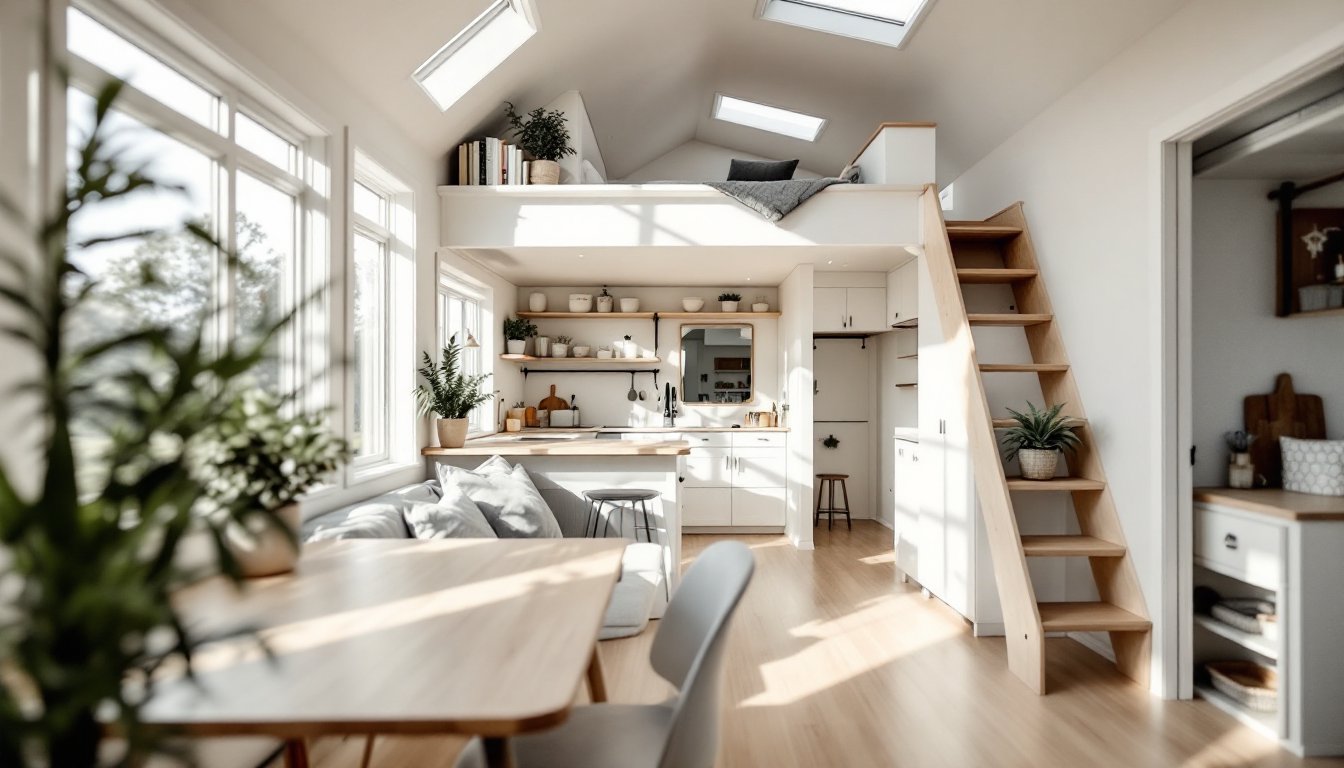
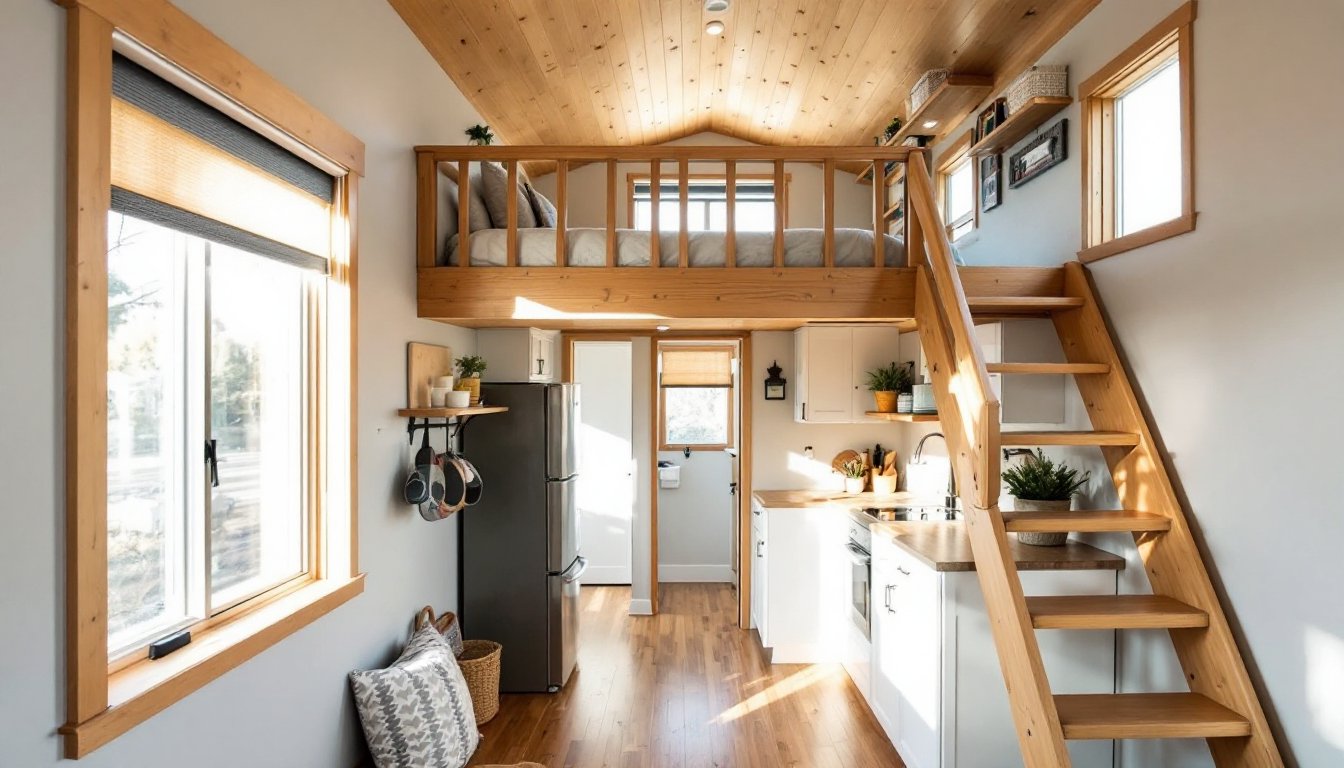
The typical 2 bedroom tiny house layout stacks sleeping above living. Main floor usually holds the kitchen (often 8–10 feet wide), dining area, living room, and a master bedroom with full bath. Upstairs, the loft sits 9–10 feet above the main floor, high enough for sitting headroom but low enough to keep ceiling heights at 6.5–7 feet.
Stairs or a ladder connect the levels. Stairs take up 30–35 square feet but are safer and easier for daily traffic. A steep staircase saves space: think 30-degree angle with 10-inch treads instead of a standard 40-degree residential stair. Loft railings must meet IRC (International Residential Code) standards: 4-inch sphere clearance (no gaps wider than 4 inches) and 36-inch minimum height to stop kids and pets from squeezing through.
Ventilation and light make or break a lofted layout. Lofts need a dedicated window or skylight to meet egress code (minimum 5.7 square feet opening for emergency exit). An operable loft window pulls hot air up and out in summer, and in winter, positioning your HVAC return near the loft pulls warm air back down. A simple loft redesign often starts with adding one strategically placed window or ridge vent.
Design Strategies for Optimizing Your Bedroom and Loft Spaces
Smart bedroom layouts in tiny houses eliminate hallway waste. Your master bedroom doesn’t need to be huge, 7 feet by 10 feet (70 square feet) fits a queen bed, a small dresser, and access without cramping. Tuck the bed under a sloped roof line if you have one: angles often go unused otherwise.
For the loft bedroom, consider a mezzanine setup where the loft covers only half the space above the living room. This keeps the ceiling height in the main living area higher and lets warm air flow naturally. A loft that spans the entire footprint can feel like a cave even with good windows.
Built-in beds are the loft standard. A platform bed frame (custom-built or assembled) bolts to the floor joists, eliminating a traditional frame and freeing up vertical space for storage cubbies underneath. Small space living ideas often feature platforms that double as desk or seating bases.
Color and materials make tiny bedrooms breathe. Light wall colors (off-white, soft gray) reflect available light and make 10-by-12-foot rooms feel bigger. Warm-toned wood flooring or light-colored engineered wood stretches the space visually. Avoid dark accent walls in tiny bedrooms: save those for the main living area where they anchor the space without making it claustrophobic.
Smart Storage Solutions for Tiny House Living
Storage makes or breaks tiny house sanity. A master bedroom needs wall-mounted shelving (10–12 inches deep) above the dresser for books, plants, and decor. Open shelves keep the room from feeling boxed in. Under-bed storage drawers slide out on ball-bearing slides and hold seasonal clothes or bedding, crucial for a 400-square-foot footprint where you can’t stash a separate linen closet.
The loft bedroom is your chance for ceiling-height storage. Wall-to-wall cubbies or shelving units that run the length of the loft behind the bed (built-in or modular systems) become a feature, not an afterthought. Each cubby holds a basket or labeled bins, keeping the visual clutter down.
Kitchen and mudroom storage spills into the master bedroom if you’re not careful. A compact master with a closet rod on a slider track instead of a full swing door saves 2–3 feet of floor space. Deep shelves (16 inches) mounted on French cleats hold rolled linens, off-season gear, and luggage.
One rule: if a tiny house storage solution doesn’t earn its space, it goes. A corner shelf that fits a potted plant and two paperbacks is worth it. A decorative ladder that holds three throw blankets? Absolutely. A corner unit that requires turning sideways to access? No.
Budget-Friendly Interior Design Ideas for Compact Bedrooms
Tight budgets demand strategy over splurges. Bedroom paint runs $30–60 per gallon: two coats on a 10-by-12 room use barely a quart. Choose durable, washable latex paint (Benjamin Moore or Sherwin-Williams contractor grades cost less than premium lines and perform identically). Prep work, sanding, patching, primer, prevents repainting in two years.
Bed frames are often the biggest expense. A DIY platform base built from 2-by-8 pressure-treated lumber and lag bolts costs $150–250 and can outlast a $1,200 metal frame. Sand smooth, stain or paint, and add a quality mattress. The frame is the skeleton: the mattress is the investment.
Secondhand furniture works in tiny bedrooms if it’s structural. Thrift dressers, nightstands, and shelving save 40–60% versus new retail. Avoid upholstered pieces that trap dust: solid wood or metal always cleans better. For the loft, floating shelves from big-box stores ($15–30 each) beat expensive built-ins if you’re not locked into a design.
DIY headboards, plywood panels stained or painted, maybe with a fabric overlay, run $50–100 in materials and anchor the bedroom without custom carpentry. Rope shelving, macramé wall hangings, and woven storage baskets add texture without the price tag.
Practical DIY Tips for Building or Renovating Your Tiny House Loft
If you’re building the loft structure itself, the foundation is floor joists. Most tiny houses use 2-by-8 or 2-by-10 joists spaced 16 inches on center: check your load calculations with a structural engineer if you’re modifying or adding a loft to an existing tiny house. A second pair of hands and basic framing tools, a level, circular saw, power drill, and a stud finder, are non-negotiable.
Safety first: wear eye protection when cutting lumber, use ear protection around power tools, and ensure the loft railing is installed before anyone climbs up. A railing must be 200 pounds rigid force resistant per IRC code: bolt it to solid framing, not just surface-nailed.
Stairs or ladder choice depends on your timeline and skill. A prefab staircase ($500–1,200) bolts down quickly: a custom-built stair (7 steps, 36-inch width, 10-inch treads, 7-inch risers) requires a miter saw and joinery knowledge but costs $200–400 in materials. Woodworking project plans can guide you through stair building, but if framing isn’t your strong suit, hire this out.
Insulation matters. Loft bedrooms need R-19 or higher ceiling insulation (check your climate zone, southern zones may differ). Draft-block the loft perimeter with rigid foam or fiberglass before drywall. Lofts get hot fast in summer if exposed to roof: a simple shade solution, roller blinds or light-blocking fabric, reduces cooling load by 15–20%.
Electrical outlets in lofts must meet NEC (National Electrical Code) standards: no point on a wall more than 6 feet from an outlet. Plan circuits carefully to avoid daisy-chaining power strips. A licensed electrician ensures code compliance and insurance doesn’t get denied later.
Conclusion
A 2 bedroom tiny house with loft isn’t just about cutting square footage, it’s about intentional design that works harder for every inch. Smart layouts, strategic storage, and honest DIY tackle the real challenges: egress safety, climate control, and livable sleeping spaces. Whether you’re building new or upgrading an existing tiny home, the loft multiplies your functional footprint without sprawl. Start with code compliance (windows, railings, load capacity), prioritize insulation and ventilation, and build or furnish for durability over trends. The payoff is a home that costs less to own and maintain while delivering the space you actually need.