Tiny house toys have evolved far beyond childhood nostalgia. Today’s miniature models, from detailed architectural replicas to buildable sets, attract serious collectors, interior designers, and homeowners seeking tangible inspiration for their own projects. Whether you’re drawn to the craftsmanship, the nostalgic appeal, or the practical design exploration they offer, tiny house toys bridge the gap between imagination and real-world home improvement. This guide walks you through what’s trending in 2026, how to curate and display your collection, and how these miniatures can inform genuine renovation decisions.
Table of Contents
ToggleKey Takeaways
- Tiny house toys range from 1:48 to 1:12 scale models and serve as low-stakes design testing tools for homeowners planning renovations and material choices.
- Modern tiny house toy collections emphasize authentic architectural details like working windows, realistic siding, and LED lighting systems, with prices ranging from $30 basic sets to $5,000+ museum-quality pieces.
- Proper display infrastructure for tiny house toys includes climate control (65–70°F, 40–50% humidity), LED lighting, and protective cases costing $200–$1,000 depending on collection scope.
- Tiny house toys help visualize spatial flow, furniture placement, and traffic patterns before committing to full-scale renovations, making them practical design inspiration tools for homeowners and interior designers.
- 2026 trends favor sustainable tiny house toy materials like reclaimed wood and upcycled components, with modular kits and DIY open-source plans making the hobby accessible to first-time builders.
What Are Tiny House Toys and Why Homeowners Love Them
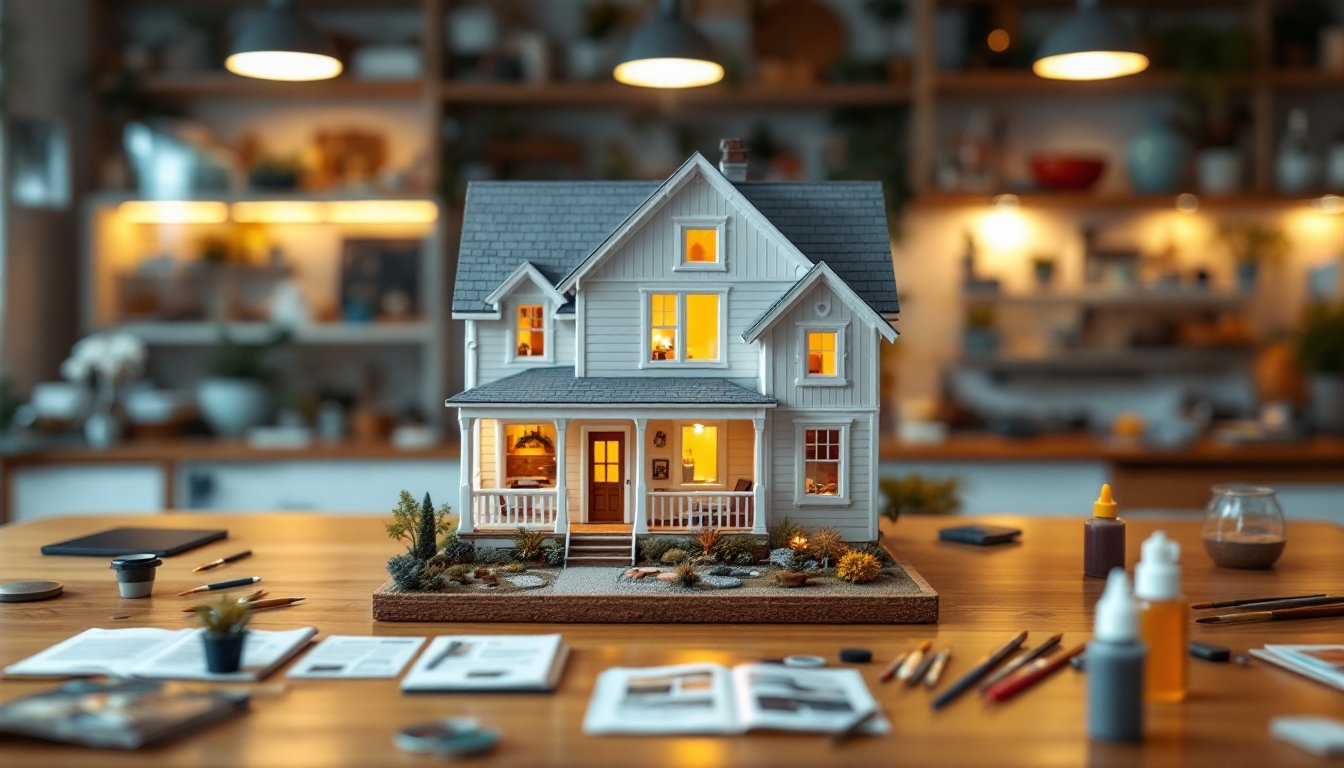
Tiny house toys are scale models, typically ranging from 1:48 to 1:12 scale, that replicate real homes, architectural styles, or fantasy dwellings. Unlike generic dollhouses, modern tiny house toys emphasize authentic details: working windows, realistic siding, period-appropriate fixtures, and thoughtful landscaping. They appeal to homeowners and DIY enthusiasts for several reasons.
First, they’re a low-stakes way to test design ideas. Before committing to a paint color, layout shift, or material choice in your actual home, you can experiment at miniature scale. A collector might arrange a tiny kitchen with different cabinet styles or test a color palette before ordering materials. Second, they satisfy the maker instinct. Many tiny house enthusiasts enjoy the assembly and customization process itself, gluing tiny baseboards, painting walls, and wiring miniature lighting systems is a meditative, rewarding activity. Third, they’re visual learning tools. Seeing how a deck connects to a wall, how windows align with trim, or how landscaping frames a facade teaches spatial relationships that photographs alone don’t convey. Finally, they’re simply beautiful objects. A well-crafted tiny house sits on a shelf like fine art, sparking conversation and nostalgia.
Popular Tiny House Toy Styles and Collections
Dollhouse Miniatures and Architectural Models
Dollhouse miniatures remain the gold standard for tiny house toy collectors. High-end brands produce 1:12 scale models with museum-quality details, hand-painted wallpaper, working fireplaces, and authentic period furnishings. These aren’t toys in the playroom sense: they’re heirloom pieces often costing $200 to $5,000+ per room or complete structure. Architectural model kits appeal to design enthusiasts who want historically accurate replicas of famous homes or regional styles (Victorian farmhouses, Craftsman cottages, modernist boxes). These kits typically arrive with pre-cut laser-finished wood, real shingle material, and detailed instructions. Assembly ranges from 20 hours to 200+ hours depending on complexity.
Collectible Building Sets and DIY Kits
Buildable tiny house sets have exploded in popularity, sitting between casual toys and serious collector models. Brands offer modular kits where you snap together walls, add furniture, and customize room layouts. Many include LED lighting systems, a detail that transforms a miniature from a nice display piece into something genuinely immersive. DIY kits from makers on platforms like Instructables provide open-source plans for laser-cut components, allowing collectors to build unique versions. Prices range from $30 for basic snap-together sets to $400 for elaborate multi-room builds with landscaping. In 2026, the trend leans toward sustainable materials: reclaimed wood kits, cardboard construction, and upcycled components appeal to eco-conscious collectors. Starter kits often come with tool sets and glue, making them accessible to first-time builders without prior model-making experience.
How to Display and Organize Your Tiny House Toy Collection
Once you’ve assembled a few tiny house toys, display becomes essential. Most collectors use display cases, glass cabinets, shadow boxes, or acrylic cubes, to protect models from dust and damage while showcasing them. Proper lighting matters enormously. LED strip lights inside or above cases highlight architectural details and create ambiance, especially if your models include interior lighting. Many collectors wire their collections to a single circuit breaker or smart switch for easy on/off control.
Organization depends on collection size and focus. Some collectors arrange by architectural style (Victorian, mid-century, farmhouse). Others group by scale, builder, or theme (seaside homes, urban apartments, historic replicas). Shelving units with adjustable shelves accommodate different model heights. Temperature and humidity control preserve your collection: keep rooms at 65–70°F and 40–50% relative humidity to prevent wood warping and paint peeling. Avoid direct sunlight, which fades paint and finishes over time. For serious collectors, a dedicated display room or cabinet in a climate-controlled space becomes the centerpiece of the hobby. Budget $200–$1,000 for proper display infrastructure depending on collection scope, cases, shelving, lighting, and environmental controls add up quickly.
Using Tiny House Toys for Home Design Inspiration
Here’s the practical angle: tiny house toys are legitimately useful design tools, not just decoration. Homeowners planning renovations use miniatures to visualize spatial flow, furniture placement, and traffic patterns. If you’re redesigning a living room, assemble a tiny replica with scaled furniture pieces and photograph it from various angles. You’ll immediately spot problems, a sofa blocking a window, a bookcase cramping a corner, awkward transitions between zones, before ordering anything at full scale.
Color and material testing is another strong use case. Purchase wood stain samples from your local supplier and apply them to miniature baseboards or trim. Paint a tiny room in three proposed wall colors and see how light interacts with each. This beats staring at paint chips and costs pennies compared to repainting a full room. Landscaping and exterior design benefit too. Arrange miniature plants, gravel, deck boards, and siding samples in a tiny yard layout to test curb appeal ideas. Interior designers increasingly use this method in client consultations, a visual, tangible model sparks productive conversations in ways mood boards don’t. Check resources like Apartment Therapy for small-space living strategies and styling tips that pair well with miniature exploration: many homeowners find that designing at scale helps them think like a professional.
Conclusion
Tiny house toys occupy a sweet spot between art, hobby, and practical design tool. Whether you’re building a museum-quality miniature, customizing a kit with sustainable materials, or using models to prototype a kitchen remodel, there’s depth and satisfaction in the pursuit. Start small, a basic kit or single architectural model, and let your collection grow intentionally. Your tiny houses might inspire your real one.