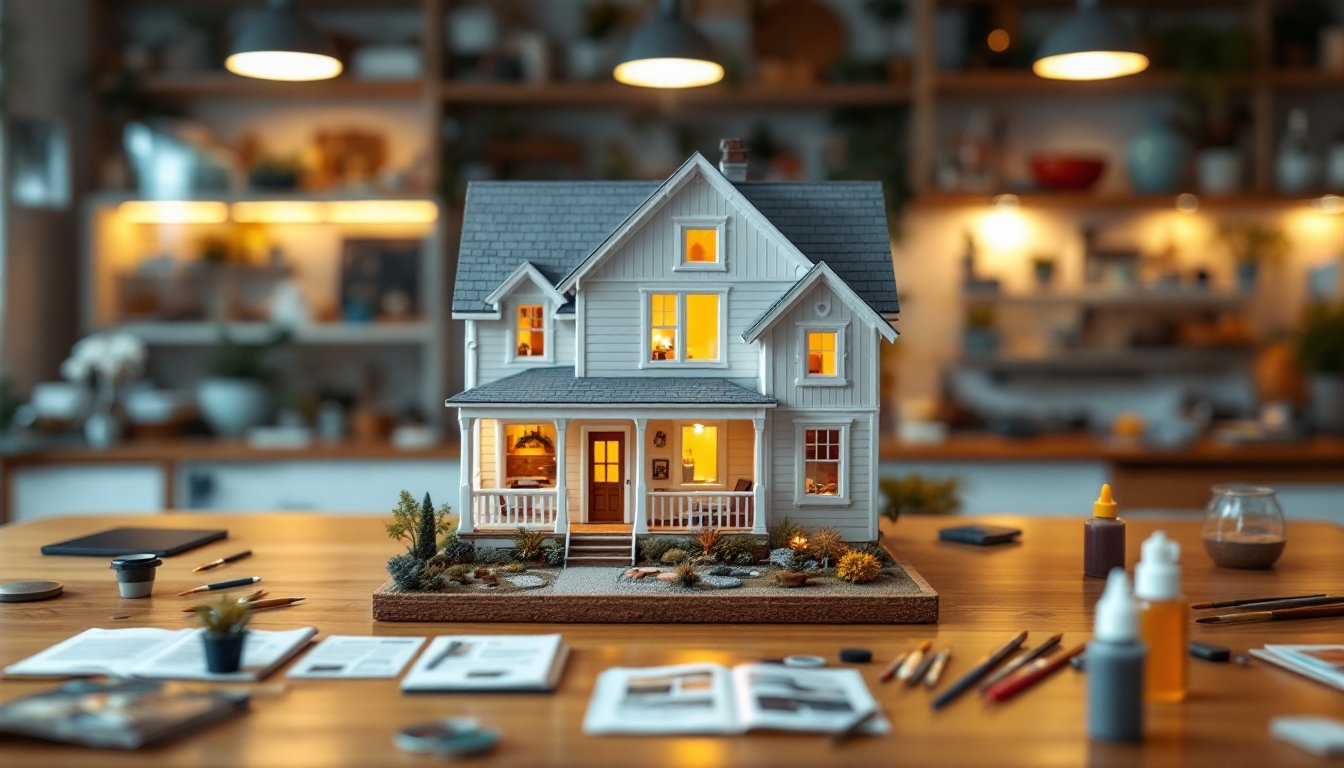
Three bedroom tiny houses are redefining what affordable, sustainable homeownership looks like today. For DIY enthusiasts and homeowners tired of oversized mortgages and wasted square footage, a well-designed tiny house with three separate sleeping spaces offers a practical middle ground between minimalist living and family needs. Whether you’re building from scratch, renovating an existing structure, or exploring options for house hacking, understanding the design fundamentals and smart storage strategies makes the difference between cramped and comfortable. This guide walks you through proven layouts, budget-friendly building approaches, and interior tricks that transform compact spaces into functional homes.
Table of Contents
ToggleKey Takeaways
- A three bedroom tiny house typically ranges from 600–1,200 square feet and offers an affordable, sustainable middle ground between minimalist living and accommodating small families or rental income through house hacking.
- Smart floor plan layouts—either linear or open-plan with distinct zones—are critical; an open floor plan with kitchen, dining, and living sharing one uninterrupted space makes a tiny house feel 15–20% larger than its actual square footage.
- Built-in storage is non-negotiable in three bedroom tiny houses; utilize knee walls, under-bed drawers, vertical shelving, and mudroom nooks to prevent clutter and maintain functionality without overwhelming compact spaces.
- Prioritize investment in foundation, framing, roof, weatherization, and mechanical systems like mini-split heat pumps and instant hot water, as these yield long-term savings and livability, while delegating DIY work to non-technical tasks.
- Light neutral wall colors, consistent flooring throughout common areas, furniture with exposed legs, and layered lighting create visual spaciousness and prevent the cramped feeling that defeats tiny house living.
- Always verify building codes and permits with your local building department before starting construction, as regulations vary significantly by jurisdiction and can prevent costly delays or compliance issues.
What Makes a Three Bedroom Tiny House Practical
A three bedroom tiny house typically ranges from 600 to 1,200 square feet, roughly half the footprint of a standard U.S. home, yet still accommodating a small family or providing rental income through house hacking. The appeal isn’t just financial: it forces smarter design decisions, reduces utility costs, and cuts maintenance headaches.
The real trick is recognizing what “three bedrooms” means in a tiny context. Instead of three full 12-by-14 master-sized rooms, you’re working with two modest sleeping areas (perhaps 100–120 sq. ft. each) and one micro bedroom or combined living/sleeping zone. This flexibility actually works in your favor: bedrooms can serve double duty as home offices, studio spaces, or guest rooms without major reconfiguration.
Building codes vary significantly by jurisdiction, so check with your local building department early. Some regions restrict tiny house definitions, mobile home classifications, or require specific foundation types. Knowing whether your project needs permits, inspections, or foundation certifications before you start framing saves months of frustration. Most three bedroom tiny houses on permanent foundations require standard residential permits and inspections, just like any other home.
Design Layouts That Maximize Every Square Foot
The floor plan is everything in a tiny house. Poor layout choices, like narrow hallways, wasted corner dead zones, or rooms that serve only one purpose, kill usability fast.
Most successful three bedroom tiny houses follow one of two proven approaches. The linear layout stacks functions lengthwise: entry/kitchen at one end, living in the middle, bedrooms toward the back. This works well for narrow lots and keeps traffic flow logical. The open-plan with distinct zones keeps the common areas (kitchen, dining, living) as one flowing space, then partitions off three dedicated sleeping rooms using full walls, partial dividers, or sliding barn doors. The second approach feels less cramped and works better if you’re renting one or two bedrooms out.
Open Floor Plans and Multi-Functional Spaces
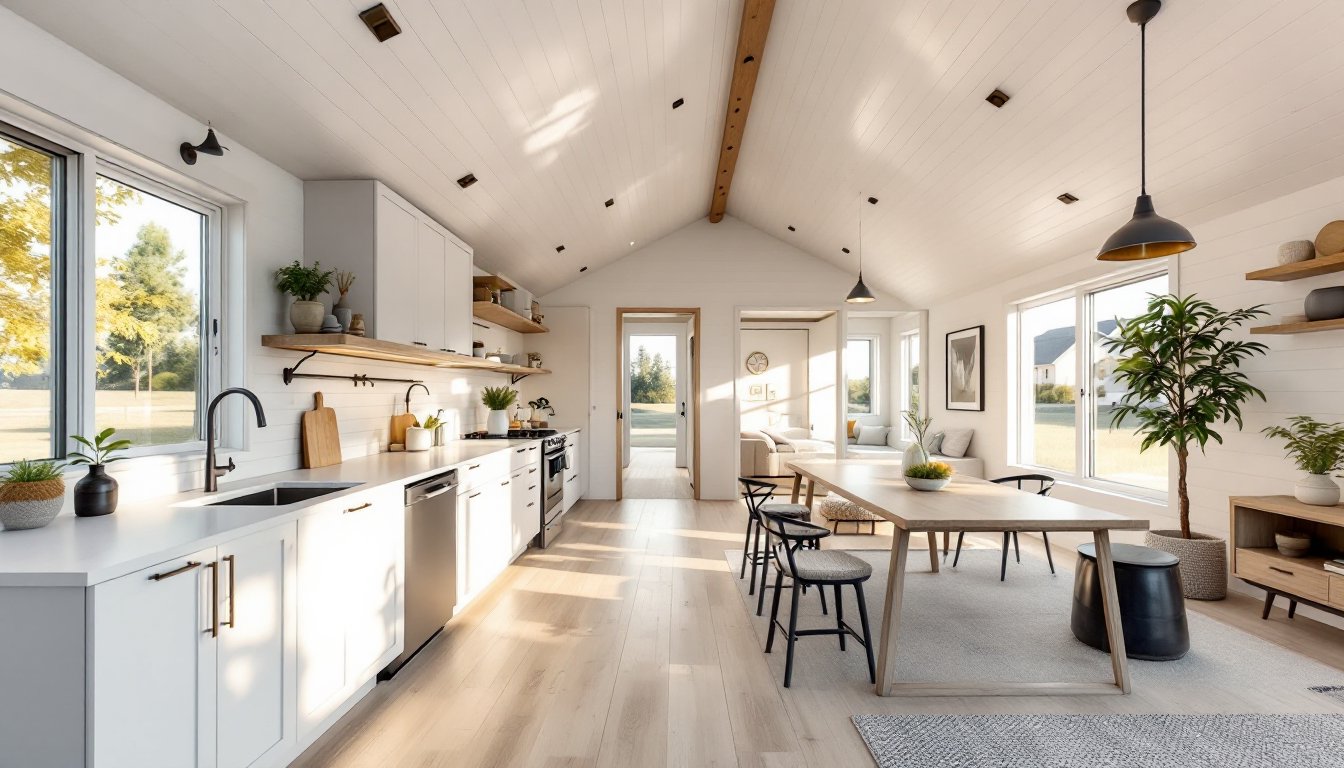
An open floor plan doesn’t mean no walls, it means the kitchen, dining, and living areas share one uninterrupted space without full height partitions between them. This single decision nearly always makes a tiny house feel 15–20% larger than its square footage suggests.
Design the kitchen as a galley layout (two parallel runs of cabinetry facing each other) rather than an island setup: you save precious footage and avoid bottlenecks. Use IKEA furniture modifications and hacks for budget-friendly storage: IKEA’s modular cabinetry adapts easily to awkward ceiling heights and angled walls common in tiny houses. Place dining as a bar-height counter extending from the kitchen, not a separate table that eats floor space.
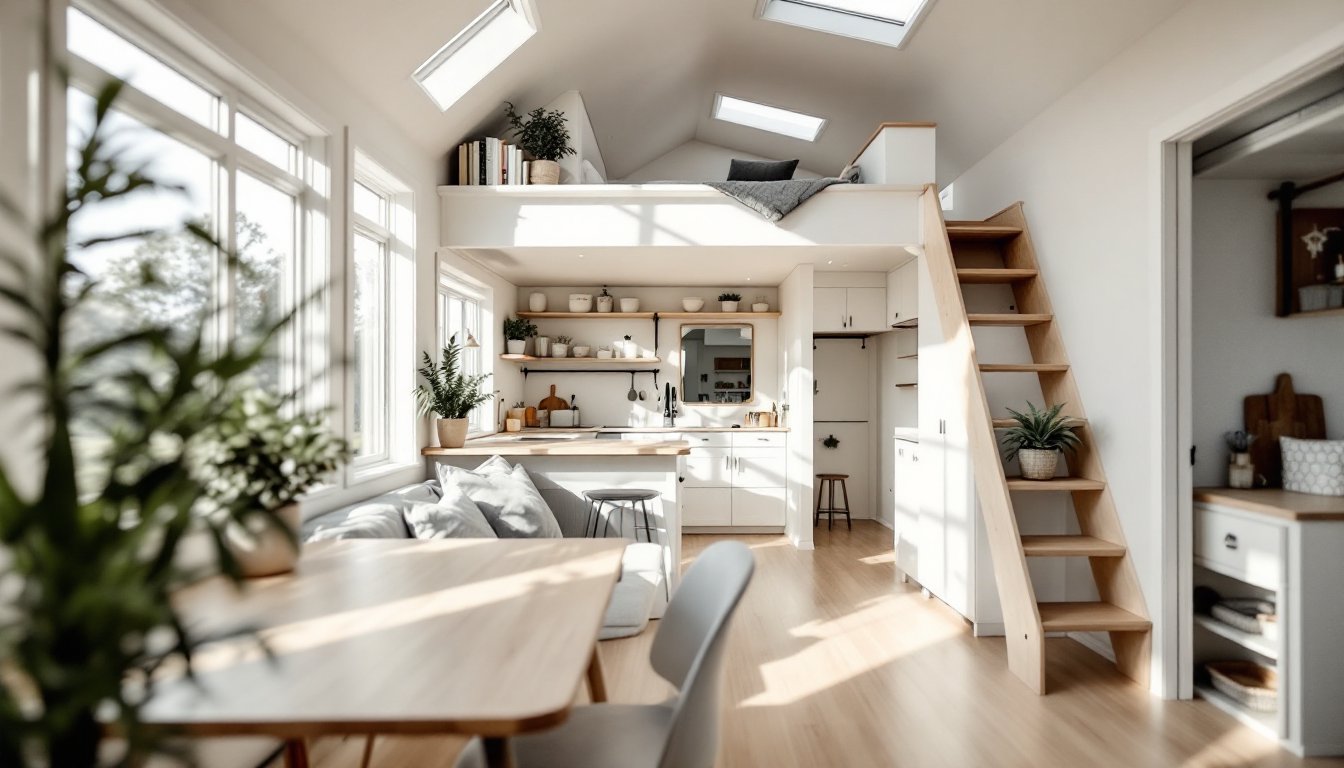
Living areas benefit from vertical storage and floating furniture (legs exposed) instead of skirted pieces that visually anchor the room. A 65-70 inch sofa with exposed legs reads lighter than a sectional pushed against the wall. Large windows and skylights are essential: they cost more upfront but transform compact spaces psychologically and reduce daytime lighting needs. Position seating to face windows when possible.
Storage Solutions That Keep Clutter at Bay
Storage failure kills tiny house dreams faster than poor layout. Without deliberate, abundant storage, a 900 sq. ft. home feels suffocating within months.
Built-in storage is non-negotiable. Every inch of exterior wall, under-stair space, and ceiling cavity should have a purpose. Install knee walls (short walls that follow roof slopes in upper floors or lofts) with storage cubbies behind them. Under-bed drawers (especially under guest bedroom beds) hide seasonal items and linens. Shelving above doorways and in corners captures vertical space most homes waste.
Consider a mudroom nook near the entry with hooks, cubbies, and a bench seat, this centralizes shoes, coats, and bags, preventing sprawl throughout living areas. Kitchen storage works best with pull-out pantry shelves (easier access than deep cabinets), magnetic spice racks on refrigerator sides, and wall-mounted knife blocks or utensil organizers. Bedrooms benefit from high shelving above doors and built-in closet systems with double-hang rods and shelf dividers.
Don’t rely on furniture alone. Closed storage hides clutter but also visually fragments small spaces: balance it with open shelving for frequently used items. Small space living ideas from design experts show that mixing open and closed storage maintains functionality while keeping rooms feeling open. Avoid tall bookcases in bedrooms, they tower above eye level and make ceilings feel lower. Instead, use wall-hung storage at 24–36 inches high.
Budget-Friendly Building and Renovation Tips
Building or renovating a three bedroom tiny house on a tight budget requires prioritizing. Foundation, framing, roof, and weatherization (insulation, windows, doors) are non-negotiable: cut costs there and you’re buying long-term misery.
Do the grunt work yourself. Demolition, site prep, material hauling, and paint removal are labor-intensive but require no special skills and save 20–30% on labor-heavy budgets. Framing, electrical, and plumbing typically require licensed professionals in most jurisdictions: this is not the place to DIY unless you hold the proper licenses and permits. A single code violation can tank a resale or create liability issues.
Material choices matter. Nominal lumber (a “2×4” is actually 1.5 x 3.5 inches) costs less than engineered alternatives but works fine for standard walls and joists. Choose premium materials for visible surfaces, quality trim, flooring, and kitchen cabinets shape perception more than hidden framing does. Drywall finishes, paint, and caulk are cheap: invest time (not money) in proper prep and finishing.
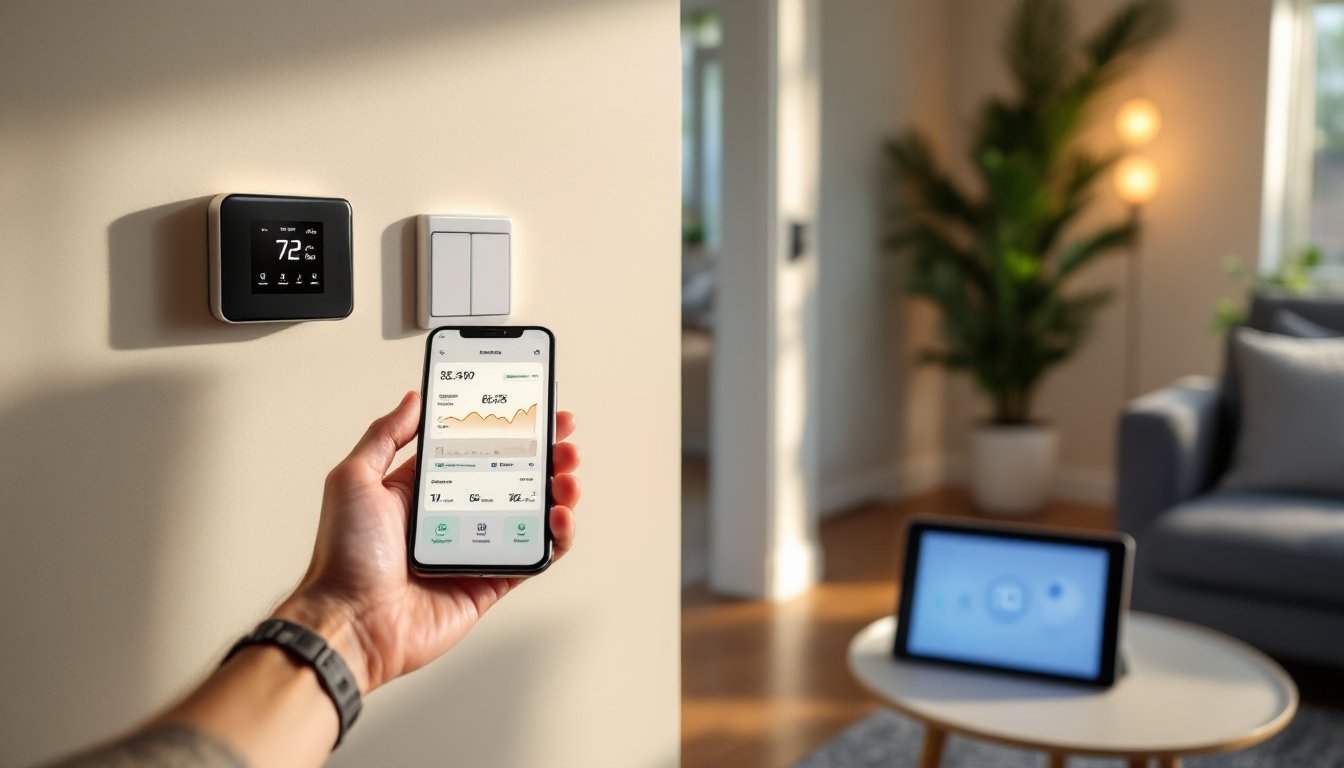
Utilities and mechanical systems favor small spaces. A single efficient mini-split heat pump (air-source or ground-source) heats, cools, and dehumidifies a 900 sq. ft. house more efficiently than traditional HVAC. LED lighting cuts electrical loads by 75% versus incandescent. Instant hot water (tankless or point-of-use) eliminates long water-heater runs and heat loss in tiny houses. These upgrades cost more upfront but payback in 3–5 years through utility savings.
Divert budget toward thermal performance: proper insulation, triple-pane windows (if your climate justifies it), and air sealing prevent heating and cooling waste. A blower-door test (a professional diagnostic that pressurizes your house to find air leaks) costs $400–800 but identifies the biggest efficiency gains.
Interior Design Strategies for Compact Living
Interior finishes in a tiny house work hardest when they’re visually simple and functionally flexible. Avoid busy patterns, dark colors, and clunky hardware that fragment small spaces.
Wall color and finish set the tone. Light, neutral walls (soft whites, warm grays) expand perception without being sterile. Use one accent wall (if any) sparingly: bold color reads differently in 200 sq. ft. than in a standard 12×14 bedroom. Matte or eggshell finishes hide imperfections better than gloss, which bounces light and highlights every seam in tight spaces.
Flooring materials should be consistent throughout common areas: switching from wood to tile every few feet fractures the space visually. If you’re house hacking with rentals, durable luxury vinyl plank (LVP) beats wood, it withstands moisture, pets, and wear without the maintenance burden. Avoid carpet in kitchens and bathrooms where moisture damage is common: carpet also traps smells in compact homes.
Furniture scale matters enormously. A full-sized sofa, dining table, and entertainment center work in a tiny house only if chosen carefully. Look for pieces with exposed legs (visual lightness), multipurpose designs (ottomans with storage, console tables that double as desks), and modular systems. Home design inspiration and creative solutions often showcase functional tiny spaces: real estate shows highlight how designers handle scale in compact homes.
Lighting layering prevents the “cave” effect. Combine ambient overhead (recessed or semi-flush fixtures to preserve headroom), task lighting (under-cabinet kitchen, desk lamps), and accent lighting (strip LEDs in shelving, corner uplights). Dimmer switches add flexibility: the same room transitions from bright workspace to cozy evening retreat with light adjustment.
Conclusion
Three bedroom tiny houses aren’t just budget solutions, they’re thoughtfully designed homes that work for families, renters, and DIY entrepreneurs willing to think differently about space. The combination of smart layouts, abundant storage, deliberate material choices, and intentional interior design transforms 900 square feet into a genuinely livable home. Start with permits and codes, nail the floor plan before framing a single stud, and invest time (not just money) in finishing details that make compact living feel spacious.