Minneapolis homeowners know that winters are no joke. Subzero temperatures, short daylight hours, and the constant battle to keep homes warm and secure make daily life a challenge. Smart home technology isn’t just trendy, it’s practical for Minnesota living. From smart thermostats that reduce heating bills to security systems that work even when you’re away, these devices solve real problems that Minneapolis residents face year-round. This guide walks you through the smart home tech that actually matters for local conditions, with honest installation advice and cost-saving specifics.
Table of Contents
ToggleKey Takeaways
- Smart home technology for Minneapolis winters addresses real climate challenges—smart thermostats cut heating costs by 10–15% annually, saving $100–200 yearly for Minnesota homeowners.
- A smart thermostat is the foundation of any smart home setup in Minneapolis, offering automatic temperature adjustments and compatibility with furnaces installed after 1990.
- Smart security cameras with local storage and motion-activated outdoor lighting deter winter property crime and provide crucial monitoring during extended dark months.
- Before installing any smart home devices, ensure your WiFi network is stable and can handle 20–30 connected devices; invest in a mesh system if coverage is weak.
- Water leak sensors and smart devices with battery backup protect against burst pipes—a common winter hazard in Minneapolis—potentially preventing $10,000+ in damage.
- Smart home systems that use local processing and hub-based control maintain basic functions during internet outages, critical during Minnesota’s winter storms.
Why Smart Home Technology Makes Sense for Minneapolis Residents
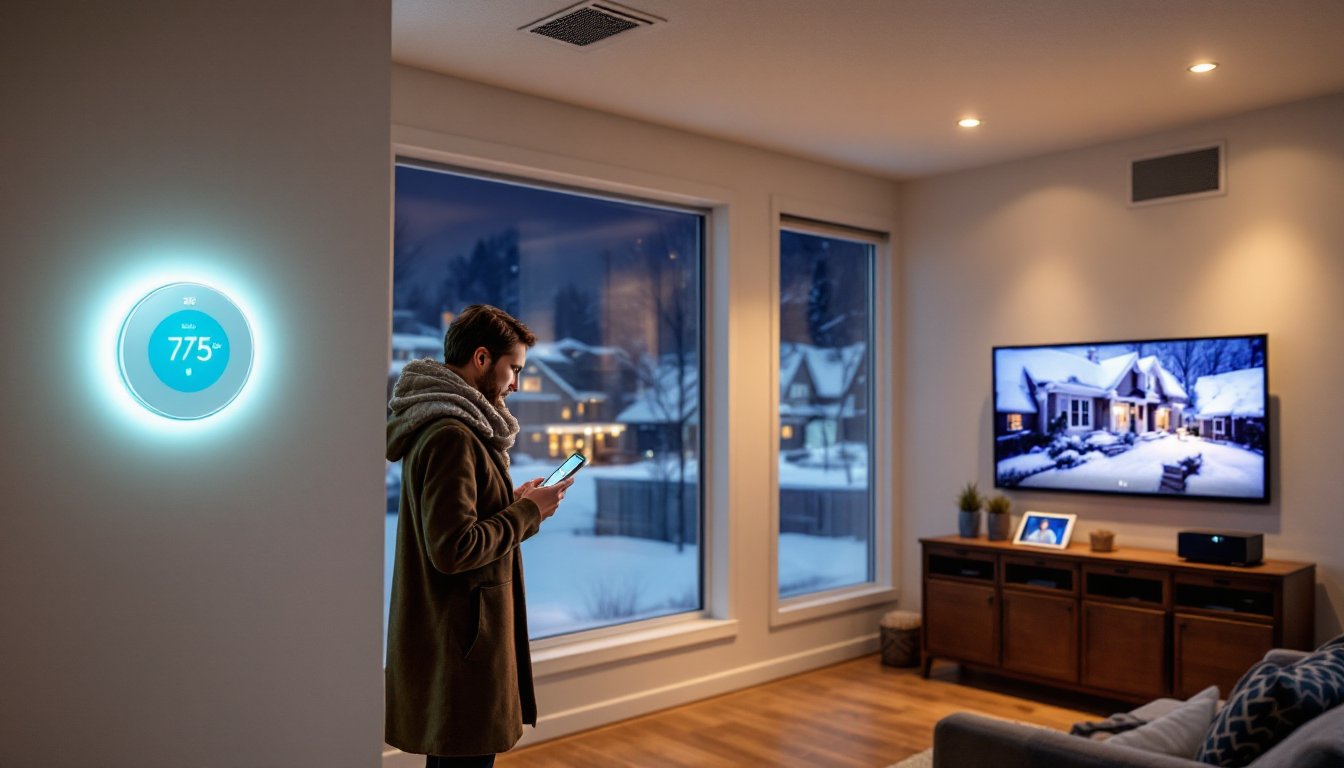
Minneapolis winters demand extra attention to heating, insulation, and security. A smart thermostat learns your schedule and adjusts temperatures automatically, cutting heating costs by 10–15% annually, savings that add up fast when your furnace runs for six months straight. Smart security cameras and doorbell systems let you monitor your home remotely, catching package thieves or burst pipes before they become disasters.
The region’s climate also means extended darkness in winter months. Smart lighting systems that adjust brightness and color temperature help combat seasonal affective patterns while reducing energy consumption. Many Minneapolis neighborhoods also experience higher property crime rates during winter, when homes sit dark for longer stretches. Motion-activated lights and connected security systems serve both safety and deterrent purposes.
Unlike coastal tech hubs, Minneapolis homeowners often manage heating systems alongside air conditioning. A unified smart home system controls both, optimizing comfort and efficiency across seasonal swings. Systems that integrate with local utility providers can also help residents take advantage of demand-response programs that offer bill credits during peak hours.
Building codes in Minneapolis (governed by the Minnesota State Building Code) require GFCI protection in certain areas and permit requirements for electrical upgrades. Understanding what DIY work is permissible and what requires a licensed electrician is critical before you start.
Essential Smart Home Devices for Minneapolis Winters
Heating and Temperature Control Systems
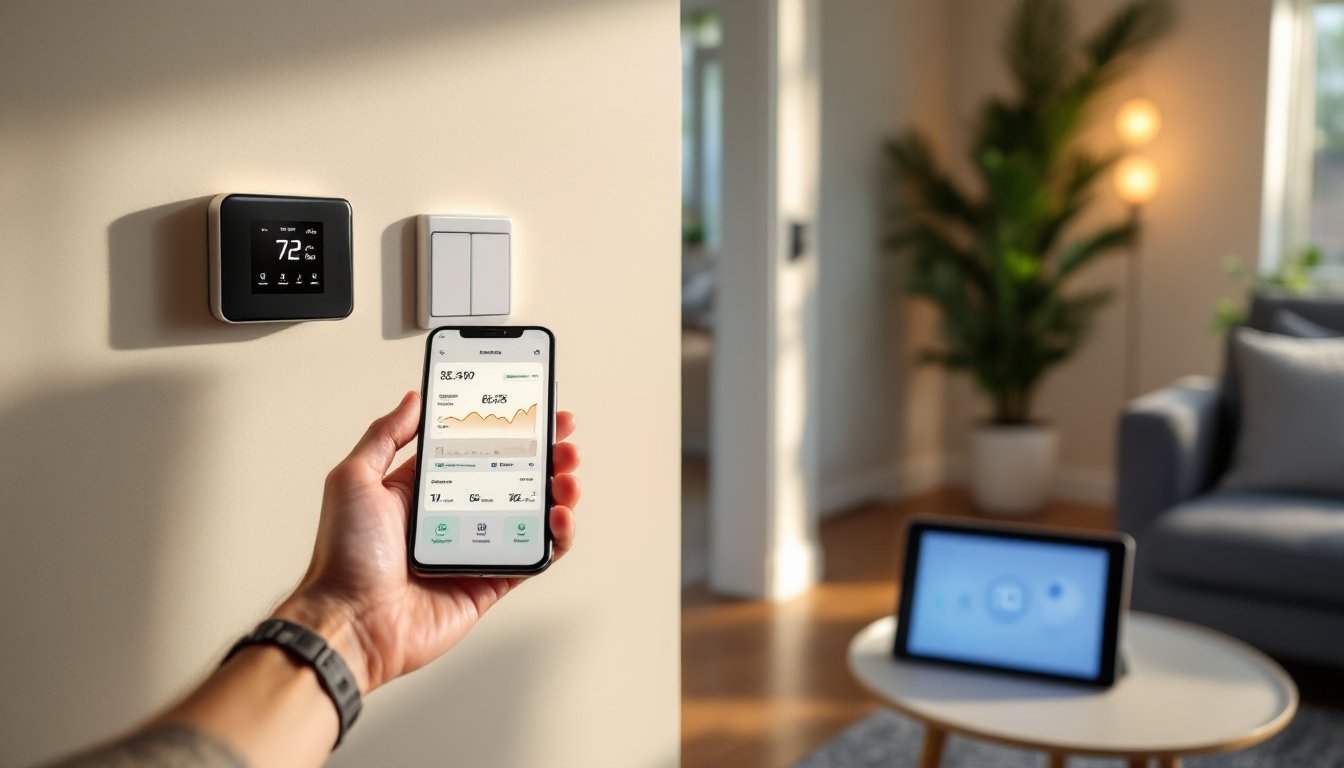
A smart thermostat is the cornerstone of any Minneapolis smart home setup. Models like the Ecobee SmartThermostat or Nest Learning Thermostat integrate with your existing furnace and air conditioning, learning your preferences and adjusting 10 times per day. They’re compatible with most systems installed after 1990, though older units may need a C-wire adapter (a fourth wire that supplies 24V power to the thermostat).
Installation typically takes 30–45 minutes if you’re comfortable with basic wiring. Turn off power at the breaker, photograph your current thermostat’s wiring setup before disconnection, and match wires to terminals carefully. If your system lacks a C-wire, you’ll either need to run a new wire (requires drilling through walls, consider hiring an HVAC tech) or use a compatible adapter.
Smart thermostats reduce heating bills by 10–15% for most households, translating to $100–200 yearly savings in Minneapolis, where winter heating costs are substantial. Some utilities offer rebates: check with Xcel Energy or your local provider before purchasing.
Zoned heating systems work well in larger homes. Smart vents in ductwork allow you to control temperatures room-by-room, directing heat where it’s needed most. This is especially useful in homes with basements or multiple stories where temperature variation is common.
Smart Lighting and Security
Smart LED bulbs or smart switches give you control over lighting without rewiring. Bulbs like the Philips Hue or LIFX work with voice assistants and smartphone apps, letting you dim lights, change color temperature, or set schedules. They cost $10–25 per bulb but last 20+ years and use 80% less energy than incandescent bulbs.
Smart switches (like Lutron, GE, or Leviton models) replace standard switches and control all bulbs on a circuit. They’re worth the $30–60 investment if you have multiple fixtures in one room. Installation is straightforward: turn off power, remove the old switch, and connect the new one following the manufacturer’s diagram. Most require a neutral wire (white), which isn’t always present in older Minneapolis homes built with 2-wire circuits. Check your switch box before purchasing.
Security cameras with local storage (storing footage on the device, not the cloud) give privacy-conscious homeowners peace of mind. Logitech Circle View, Wyze, and Reolink offer wired or battery-powered options. Wired models are more reliable in Minnesota’s cold (batteries drain faster in subzero temps). Position cameras at entry points, front door, back door, garage, with a clear 5–10 foot field of view. Ensure they’re within WiFi range: a weak signal causes drop-outs and missed events.
Smart doorbells like the Nest Hello or Logitech Circle Doorbell let you see and speak to visitors remotely. They require a doorbell wire (typically 16–24V AC from a transformer). If your home lacks a doorbell, running new wires involves fishing cable through walls, doable but tedious. Battery-powered alternatives exist but require monthly charging.
Motion-activated outdoor lighting deters intruders and lights paths safely. A combination of smart bulbs in existing fixtures and smart switches offers flexibility as your needs change. In Minneapolis, smart outdoor lights earn their keep during the long dark months of October through March.
Getting Started: Installation Tips for DIY Enthusiasts
Before buying anything, audit your home network. Smart devices rely on WiFi: a weak or unstable connection kills the experience. Most modern routers handle 20–30 connected devices comfortably, but older mesh systems may struggle. If your WiFi doesn’t reach your garage or basement, invest in a mesh system (like Eero or Netgear Orbi) before adding smart devices.
Start small. Pick one category, say, heating control, and master it before expanding to lighting and security. This prevents overwhelm and lets you troubleshoot one system at a time. Smart Home Tech for walks through common first-timer mistakes and how to avoid them.
Always turn off power at the breaker before touching any wiring. Use a non-contact voltage tester to confirm power is off: deaths from misidentified live wires are rare but real. Wear safety glasses when working in electrical panels.
Follow manufacturers’ wiring diagrams precisely. A misconnected wire can damage the device or, worse, create a fire hazard. Most devices come with quick-start guides: read them fully before opening the wall or removing the old fixture.
Consider your home’s age and existing infrastructure. Homes built before 1980 may lack neutral wires in switch boxes, complicating smart switch installation. Test before buying. Homes with knob-and-tube wiring (still found in some Minneapolis neighborhoods) should have an electrician inspect the system before adding any smart devices.
Budget for a hub device like the SmartThings Hub or Home Assistant (a DIY option). Hubs centralize control and automation, letting your devices work together even if your internet goes down. Hubs cost $50–150 but eliminate reliance on cloud services for local functions.
Recent <a href="https://elboroomsf.com/smart-home-tech-trends-2026/”>smart home tech trends 2026 emphasize local processing and privacy-first design, meaning you control your data rather than sending it to corporate servers. This is especially relevant in Minnesota, where data privacy concerns are growing.
Energy Savings and Long-Term Benefits
Smart home devices pay for themselves through energy savings and avoided damage. A $250 smart thermostat cuts $100–200 annually from heating bills in Minneapolis, covering its cost in 1.5–2.5 years. Water leak sensors (around $20 each) can prevent $10,000+ in damage from burst pipes, common in Minneapolis winters when unheated crawlspaces or exposed pipes freeze.
Insurance discounts are underrated. Some homeowners policies offer 5–10% discounts for monitored security systems or smart leak detection. Contact your insurer before installing: a few insurers explicitly encourage smart home tech. Xcel Energy and other local utilities sometimes offer rebates for smart thermostats: check their websites.
Long-term resilience matters in Minnesota. Smart home systems with battery backup or local processing keep basic functions running if the internet drops. A hub-based system (rather than cloud-dependent) means your lights, thermostat, and locks still work if your ISP has an outage, not a luxury concern in a state prone to winter storms.
Secondary systems enhance primary benefits. Smart power strips eliminate phantom loads (devices drawing power when off), saving $5–15 monthly per strip. Smart water heaters can shift heating to off-peak hours if your utility offers dynamic pricing. These savings seem small individually but compound over years.
Resale value is harder to quantify. Top Smart Home Tech to Transform Your Living Space highlights devices that appeal to buyers, and a well-designed smart home system can improve your home’s market appeal in competitive Minneapolis neighborhoods. But, future buyers may not value your specific choices, so prioritize devices that solve problems over those that simply seem trendy.
Document everything. Keep receipts, warranty info, and a simple diagram of your smart devices and their purposes. If you sell, this documentation proves your system is functional and professional, not a DIY tangle.
Cost-benefit varies by project. A smart thermostat in Minnesota is a no-brainer. A voice-controlled coffee maker is not. Evaluate each device against climate impact, safety benefit, or energy savings. Smart Home Tech Examples: Devices That Make Your Life Easier details which purchases are investments versus luxury.
Conclusion
Smart home technology in Minneapolis addresses genuine seasonal and safety challenges, not just convenience. Start with a smart thermostat and secure WiFi. Add devices incrementally, prioritizing heating, security, and leak detection. Plan for a hub, understand your electrical infrastructure, and always turn off power before working with wiring. The combination of energy savings, damage prevention, and peace of mind makes smart home systems a practical investment for Minnesota homeowners willing to invest time in thoughtful installation.