
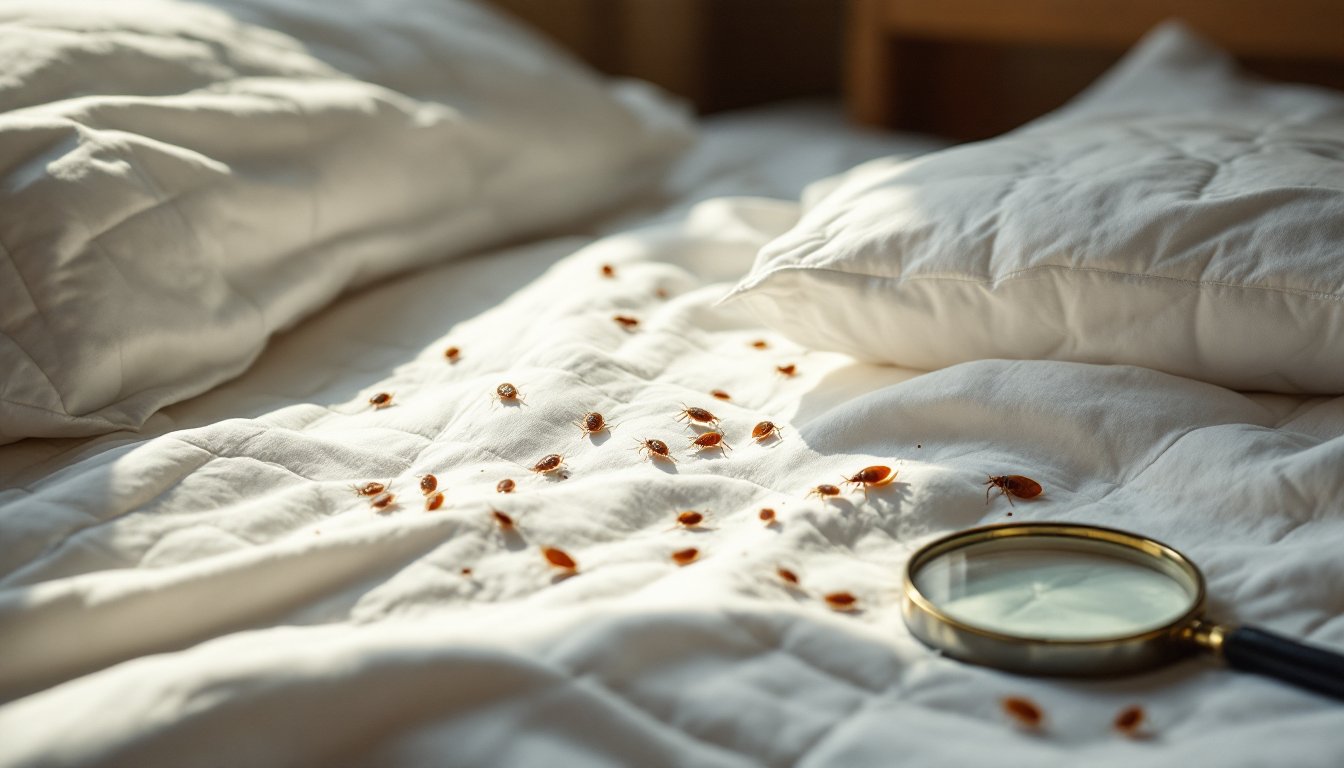
Waking up with mysterious bites, spotting tiny black bugs crawling across your sheets, or noticing dark specks on your mattress can send any homeowner into a panic. But before you tear apart your bedroom or assume the worst, take a breath, not every tiny black bug in your house is a bed bug, and not every infestation requires professional help right away. The key is identifying exactly what you’re dealing with, understanding how serious it is, and knowing whether you can handle it yourself or need to call in an expert. This guide walks you through the most common bedroom pests, how to spot an infestation, and proven DIY methods to reclaim your bedroom.
Table of Contents
ToggleKey Takeaways
- Not every tiny black bug in your house is a bed bug—carpet beetles, fleas, dust mites, and booklice are common bedroom pests that require different identification and treatment approaches.
- Bed bugs leave telltale signs including dark fecal spots on bedding, itchy welts in clusters or lines on skin, and shed skins in mattress seams, so a thorough inspection with magnifying glass and flashlight is essential.
- Hot water washing at 130°F for 90 minutes, heat drying, vacuuming with HEPA filters, and zippered mattress encasements are proven DIY methods for eliminating mild infestations without professional help.
- Professional pest control heat treatment (170°F) or chemical solutions are necessary for heavy infestations and typically cost $300–$1,500 depending on home size and severity.
- Prevention is your best defense: inspect secondhand furniture before bringing it home, wash bedding weekly in hot water, declutter your space, and seal cracks and crevices to eliminate hiding spots for bedroom pests.
Common Tiny Black Bugs Found In Bedrooms
Bed Bugs: The Most Notorious Bedroom Invader
Bed bugs (Cimex lectularius) are small, flat, reddish-brown to dark brown insects about the size of an apple seed, roughly 3 to 5 mm long. They’re nocturnal blood feeders that hide in mattress seams, box springs, headboards, and furniture cracks during the day. Adult bed bugs are oval-shaped and often mistaken for poppy seeds or small ticks.
When bed bugs feed, their abdomens swell and turn a darker red. You might spot them right after they’ve fed, but they’re excellent at hiding. The most obvious signs are itchy welts on your skin (usually in clusters or lines) and dark, pinhead-sized fecal spots on bedding. If you see white, translucent nymphs (young bed bugs) or shed skins, that’s a confirmed infestation. Bed bugs don’t transmit disease, but the psychological stress and sleep disruption are real problems.
Other Small Black Pests to Watch For
Not every tiny black bug is a bed bug. Carpet beetles are small, round insects (2-5 mm) with colorful spotted shells, though some species appear dark. They don’t bite, but their larvae feed on natural fibers and can damage clothing, carpets, and upholstery. You might find shed skins or droppings (tiny black pellets) near infested items.
Fleas are another common bedroom intruder, especially if you have pets. These tiny, dark, jumping insects are 1-3 mm long and can infest bedding, furniture, and floors. Unlike bed bugs, fleas can carry disease and parasites, so they require faster treatment.
Dust mites aren’t technically insects, they’re arachnids, and they’re nearly invisible to the naked eye. You won’t see them crawling, but you might notice allergic reactions like sneezing or itchy skin. Booklice (also called barklice) are pale to dark brown, soft-bodied insects that thrive in damp, moldy areas. They feed on mold and paper but don’t bite or spread disease.
The challenge is that bedroom pests overlap in appearance and habitat. A bright magnifying glass, good lighting, and a willingness to inspect closely will help you narrow it down.
How to Identify an Infestation in Your Home
Identifying an infestation starts with understanding the signs. For bed bugs, look for:
- Live bugs or shed skins in mattress seams, box spring corners, and headboard crevices
- Fecal spots (dark dots that smear when wet) on sheets, pillowcases, and mattress surfaces
- Bite patterns on your body, red, itchy welts often appear in a line or cluster, typically on exposed areas like arms, shoulders, and legs
- Musty odor from the bugs’ scent glands (present in heavy infestations)
For carpet beetles, watch for:
- Small, round insects with spotted or striped shells (some appear nearly black)
- Shed larval skins that look like tiny, fuzzy casings
- Damage to natural fibers, holes in wool blankets, silk, or stored clothing
The timing of your discovery matters. Bed bugs are most active at night when you’re sleeping, so you might see bites before you see the bugs themselves. If you notice fresh bites each morning but spot nothing during daylight inspection, bed bugs are the likely culprit. Conversely, if you’re seeing damage to fabric but no insects or bites, carpet beetles are probably to blame.
DIY Inspection and Detection Methods
Start with a thorough, systematic inspection. You’ll need a flashlight or headlamp, a magnifying glass (10x magnification helps), and a small container or plastic bag to collect specimens if you find bugs.
Step-by-step inspection:
- Strip all bedding and wash it in hot water (130°F/54°C minimum for 90 minutes kills bed bugs at all life stages). Dry on the highest heat setting for at least 30 minutes.
- Inspect the mattress seams, especially the corners and edges. Look under the mattress label and along the piping.
- Check the box spring thoroughly, including the bottom fabric where it attaches to the frame.
- Examine the headboard, bed frame, and nightstands, paying close attention to cracks, joints, and screw holes.
- Pull back any wallpaper near the bed and check behind it.
- Use a credit card or stiff card to scrape along seams and collect debris, transfer it to a plastic bag for closer inspection with the magnifying glass.
- Inspect your bedroom furniture, curtains, and rugs using the same method.
If you’re uncertain whether you’ve found bed bugs or just dark dust, capture a specimen in a clear container or tape it to white paper. Take a clear, close-up photo with your smartphone and compare it against reference images online or send it to your local cooperative extension office for identification (most offer free pest ID services).
For a more definitive detection method, consider bed bug detection dogs (trained canine handlers can sniff out infestations with over 95% accuracy) or interceptor cups, small cup-shaped traps you place under bed and furniture legs. Bugs trying to climb up or down get trapped. Leave them in place for 3-5 nights to see if you catch anything.
Effective Treatment and Elimination Strategies
The treatment approach depends on the severity and type of pest. For minor infestations or non-bed-bug pests, DIY methods often work. For heavy bed bug infestations, professional heat or chemical treatment is often necessary.
For bed bugs (mild infestation):
-
Heat treatment: Wash all bedding, clothing, and fabrics in hot water (130°F/54°C) for 90 minutes, then dry on high heat for at least 30 minutes. This kills all life stages. Place items you can’t wash (mattresses, pillows) in a sealed bag in direct sunlight for several days, or use a portable heating chamber if available.
-
Vacuuming: Use a HEPA-filter vacuum to remove bugs and eggs from mattresses, box springs, and surrounding areas. Seal the vacuum bag immediately and dispose of it outside.
-
Encasements: Buy zippered mattress and box spring encasements specifically designed to trap bed bugs. Any bugs inside will starve: any outside will be caught trying to enter. Keep encasements on for at least one year.
-
Insecticide sprays: Pyrethrin-based or neem oil sprays can be effective on light infestations. Spray all cracks, crevices, and seams around the bed and furniture. Follow label instructions carefully and ensure good ventilation. Wear gloves and avoid contact with skin and eyes.
For carpet beetles or fleas:
Vacuum thoroughly (including under furniture), wash fabrics in hot water, and apply a targeted insecticide if needed. For fleas, treat your pets with a veterinarian-approved flea preventative simultaneously.
When to call a professional:
If you see bugs two weeks after treatment, if you have a large infestation, or if you’re uncomfortable handling chemicals, hire a licensed pest control company. Many offer heat treatment (170°F/77°C for several hours kills all life stages instantly) or apply EPA-approved residual insecticides that require multiple applications. Professional treatment typically costs $300–$1,500 depending on home size and infestation severity, though prices vary by region.
According to expert guidance on eliminating bed bugs forever, persistent follow-up inspections and multi-method approaches are essential for success.
Prevention Tips to Keep Your Bedroom Pest-Free
Once you’ve eliminated the infestation, or prevented one in the first place, maintain these practices:
-
Inspect secondhand furniture, mattresses, and clothing before bringing them into your home. Bed bugs often hitchhike on used items. If you buy a used mattress, inspect it thoroughly and consider using an encasement immediately.
-
Vacuum regularly and dispose of bags promptly. Focus on bedroom edges, furniture, and under beds.
-
Declutter ruthlessly. Piles of clothing, books, and boxes create hiding spots. Following decluttering guides and storage strategies reduces pest habitat.
-
Wash bedding weekly in hot water and dry on high heat. This isn’t a guarantee, but it removes early signs of infestation.
-
Seal cracks and crevices in walls, baseboards, and furniture where pests can hide. Use caulk or weatherstripping.
-
Keep your bedroom cool and dry. Many pests, including booklice and mold-feeding insects, thrive in damp conditions. Use a dehumidifier if needed.
-
Check travel returns carefully. Inspect your luggage and launder everything from trips immediately upon returning home.
-
Treat pets promptly with flea prevention if you have animals, since fleas and other pests often enter via pets.
For comprehensive home improvement cleaning strategies, regular maintenance and vigilance are your best defense. A clean, organized bedroom with minimal clutter is a less attractive home for pests of any kind.