Tiny house cabins are no longer just a lifestyle trend, they’re a legitimate housing solution for budget-conscious homeowners and DIY enthusiasts who want more control over their living space. Whether you’re drawn to the financial freedom, the minimal environmental footprint, or simply the appeal of a well-crafted, efficient home, understanding what tiny house cabins are and how to approach building or buying one matters. This guide walks you through the practical realities: what defines a tiny house cabin, why they’re gaining traction, how to design one intelligently, and what your actual building or buying options look like.
Table of Contents
ToggleKey Takeaways
- Tiny house cabins typically range from 100–500 square feet and are built on permanent foundations, offering more structural stability and easier financing than mobile alternatives.
- A 300-square-foot tiny cabin costs $40,000–$80,000 to build, dramatically reducing construction, mortgage, property tax, and maintenance expenses compared to traditional homes.
- Tiny cabins use roughly 60% less energy than standard 2,000-square-foot homes, and can be further optimized with solar panels and sustainable materials for maximum environmental benefits.
- Smart design is essential—vertical storage, multi-purpose zones, and thoughtful layouts transform limited square footage into functional, livable spaces.
- Three building paths exist: buying finished ($60,000–$150,000), purchasing kits ($20,000–$50,000 materials only), or building from scratch for maximum savings and customization.
- Before building, verify local zoning and building codes, as permitting requirements vary significantly by jurisdiction and directly impact legal compliance and resale viability.
What Are Tiny House Cabins?
A tiny house cabin typically refers to a standalone structure between 100 and 400 square feet, though some definitions stretch to 500. Unlike tiny homes on wheels, most cabin-style tiny houses are built on permanent foundations, giving them more structural stability and, often, easier financing and permitting.
They differ from RVs and trailer homes because they’re engineered as fixed dwellings. A true tiny cabin has a real roof system with proper rafters or trusses, insulated walls meeting local building codes, and utilities installed permanently rather than as temporary hookups. You’ll find traditional joists, studs, and conventional framing, the same materials and methods used in standard homes, just scaled down.
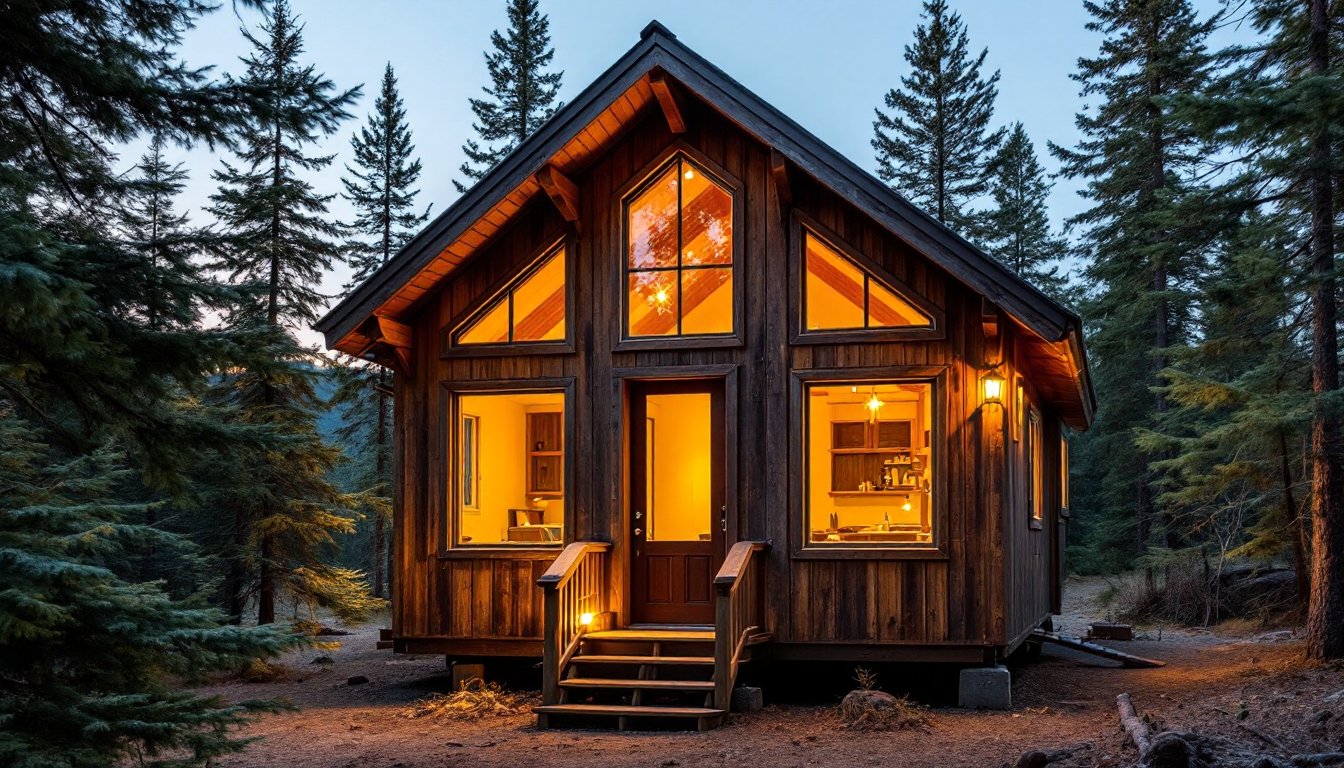
What makes them “cabins” rather than just small houses is often their aesthetic and lifestyle positioning. Many lean into rustic detailing: exposed beams, wood siding, large windows for natural light, and open floor plans. But functionally, a tiny cabin is simply a compact, efficient home. Some sit on rural land as standalone retreats: others cluster in tiny home communities or sit on city lots as affordable primary residences.
Why Tiny House Cabins Are Gaining Popularity
Two major shifts are driving tiny cabin adoption: economics and environmental consciousness. Neither is slowing down.
Cost-Effective Housing Solutions
A tiny house cabin cuts construction and ongoing costs dramatically. A 300-square-foot cabin built by an experienced DIYer or small contractor typically costs $40,000 to $80,000 to complete, far less per square foot than a traditional home. Mortgage payments, property taxes, insurance, heating, cooling, and maintenance all shrink proportionally. Someone pursuing house hacking examples often finds a tiny cabin pairs perfectly with renting out land or offering additional living space for income.
Real estate markets in high-cost regions are pushing younger buyers and retirees toward smaller footprints. A paid-off tiny cabin at age 50 means genuine financial freedom, something a traditional mortgage seldom guarantees in under 30 years.
Sustainability and Environmental Benefits
Tiny cabins slash environmental impact through sheer efficiency. Smaller volume means lower heating and cooling demand, less water usage, and less material waste during construction. Many tiny cabin builders prioritize sustainable lumber, recycled materials, and passive design strategies, positioning a large south-facing window and thermal mass to reduce mechanical heating needs.
Even when built with conventional materials, a 250-square-foot cabin uses roughly 60% less energy than a 2,000-square-foot house. That gap widens if you add solar panels, rainwater collection, or composting systems. Builders inspired by resources like HGTV design principles are proving tiny cabins aren’t sacrifices, they’re intentional, thoughtfully designed homes that align values with lifestyle.
Design and Layout Considerations for Maximum Space
Tiny cabins demand smarter design than large homes because every square foot earns its keep. The stakes are higher, but the payoff is a home genuinely tailored to how you live.
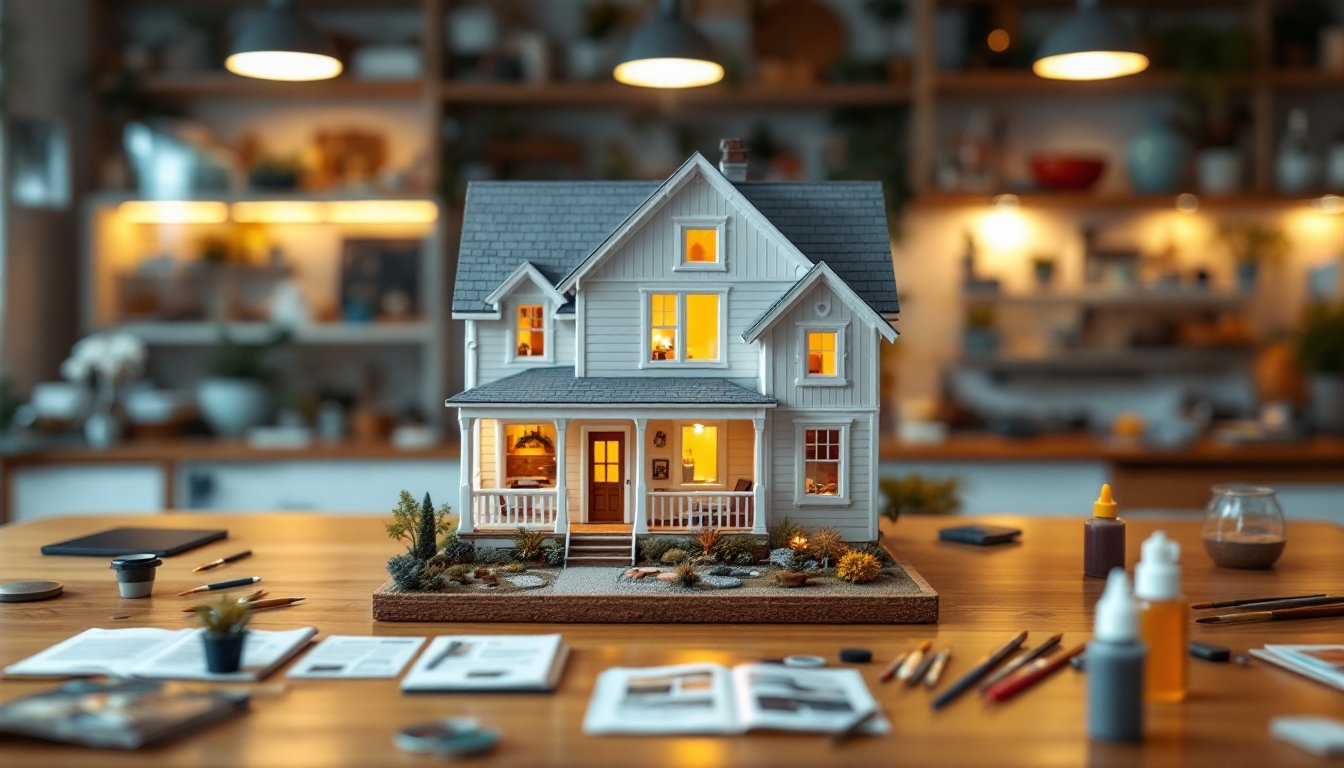
Start with your daily routine. Do you work from home? Cook elaborate meals? Entertain regularly? A one-person retreat looks utterly different from a couple’s primary residence or a small family’s seasonal cabin. Sketch it out, rough floor plans cost nothing and save heartbreak later.
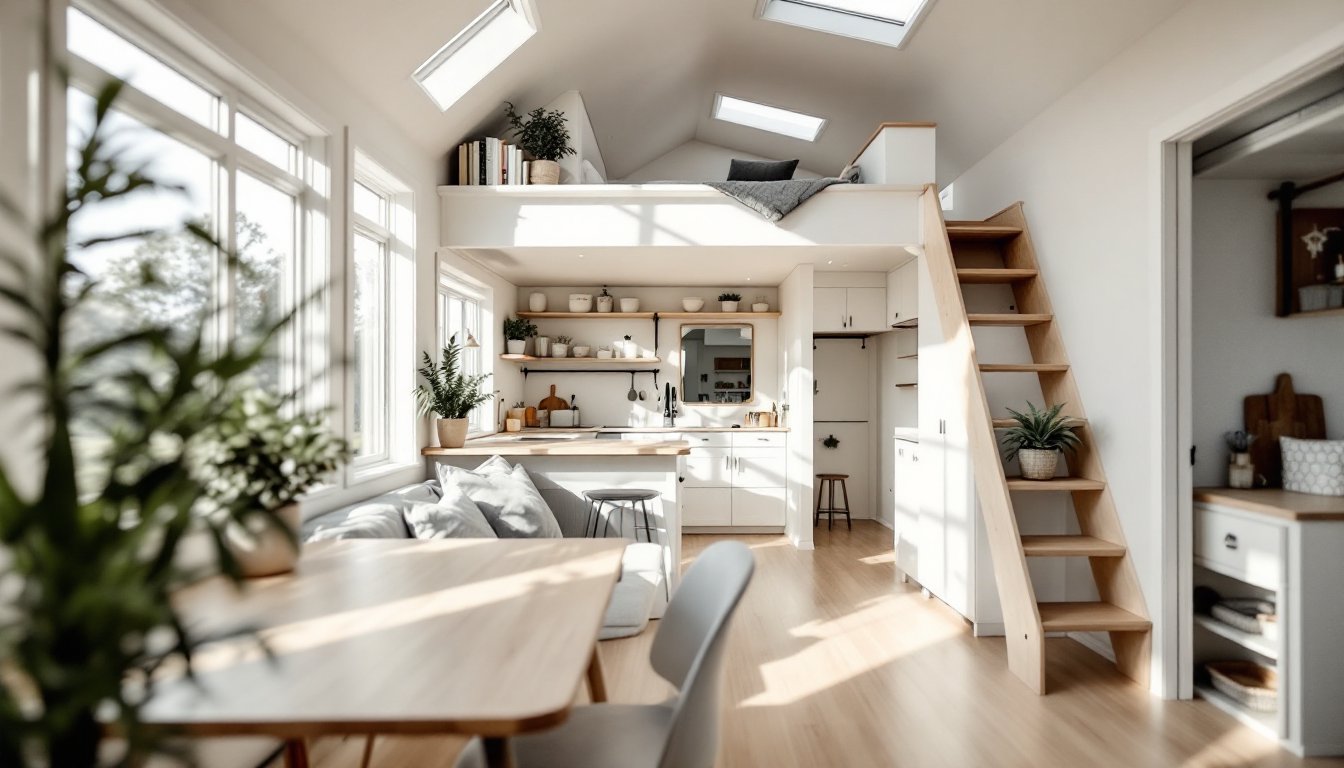
Vertical thinking is non-negotiable. Lofts for sleeping, tall closets, wall-mounted shelving, and floor-to-ceiling cabinets transform cramped into cozy. An 8-foot ceiling feels taller with uncluttered walls and strategic lighting. Under-stair storage, pull-out pantries, and nesting furniture are not luxuries, they’re load-bearing design decisions.
Multi-purpose zones beat separate rooms. A kitchen-dining-living area flows better than compartmentalized spaces. A murphy bed or daybed lets a bedroom double as an office or guest room. Large windows and skylights make spaces feel bigger while reducing daytime lighting needs.
Material choices also affect perception. Light paint, minimal trim, and slab doors feel open. Warm wood tones prevent sterile minimalism, as anyone who’s studied Apartment Therapy’s small space guides will confirm. And don’t skimp on insulation or air sealing, a drafty tiny cabin is miserable: a well-insulated one is genuinely cozy.
Building, Buying, or Converting: Your Options
You’ve got three realistic paths: buy finished, buy a kit and build, or build from scratch. Each has trade-offs.
Buying a finished tiny cabin from a builder eliminates design risk and timeline guesswork, but you’ll pay retail markup, expect $60,000 to $150,000 depending on finish level and location. Resale can be hit-or-miss in markets without established tiny home communities. Financing remains tricky: most conventional lenders won’t touch anything under 400 square feet without a personal loan or cash.
Kit homes (from companies shipping pre-cut framing, windows, and doors) bridge DIY and turnkey. You still build, but major decisions are made. Kits run $20,000 to $50,000 for materials alone, excluding land, foundation, and finishing work. Setup time is 4–8 weeks if you’ve got reliable help.
DIY Building Projects and Customization
Building from scratch gives total control and the deepest cost savings, but it demands time, skill, and honesty about your limits. A DIY builder working weekends might invest 6–12 months on a 300-square-foot cabin. Professional help for concrete work, electrical rough-in, and inspections is smart spending: a failed foundation or electrical system costs far more to fix than hiring licensed trades upfront.
Permitting varies wildly by jurisdiction. Some rural counties rubber-stamp tiny cabins: others demand full engineered plans. Check local codes before buying land. A building permit and final inspection protect you legally and ensure resale viability.
Start with a solid foundation (concrete slab or frost-protected crawlspace), proper framing with local-code-compliant spacing, and genuine insulation, don’t cheap out on the thermal envelope. Install vapor barriers correctly and ventilate properly to prevent mold. Electrical work and plumbing often require licensed professionals, depending on jurisdiction.
Real tiny cabin builders often reference Country Living’s rustic design philosophy for inspiration but stay grounded in building science, not Pinterest aesthetics. Rough-hewn beams are charming: a leaking roof is not. Plan your MEP (mechanical, electrical, plumbing) runs before framing and double-check every measurement. Mistakes at 50 feet of framing mean ripping out work and starting over.