Tiny modern homes aren’t just a trend, they’re a practical response to housing costs, environmental concerns, and a desire for simpler living. Unlike the cramped feel many associate with small spaces, a well-designed tiny modern house combines clean lines, smart layouts, and intentional material choices to feel open and purposeful. Whether you’re downsizing, looking to reduce your footprint, or exploring alternative housing strategies like house hacking examples, understanding the fundamentals of tiny modern design can help you maximize every square foot. This guide walks you through what makes these spaces work and how to apply those principles to your own project.
Table of Contents
ToggleKey Takeaways
- Modern tiny houses use open floor plans, strategic lighting, and material honesty to feel spacious and intentional rather than cramped.
- Vertical storage solutions, built-in cabinetry, and multifunctional furniture are essential for maximizing space in a tiny modern home without clutter.
- Smart design choices like pocket doors, zoning without walls, and 10-12 foot ceilings create fluid movement and psychological separation in compact layouts.
- Restrained material palettes of 3-4 primary elements—concrete, wood, metal, and neutral paint—define the modern aesthetic while expanding perceived space.
- Practical upgrades including ductless mini-split HVAC systems, layered lighting with dimmers, and proper ventilation make tiny modern living genuinely livable, not just tolerable.
What Makes Modern Tiny Homes Stand Out
Modern tiny houses differ from traditional small homes through intentional design philosophy rather than mere downsizing. They emphasize minimalism, functionality, and aesthetic clarity, every element serves a purpose.
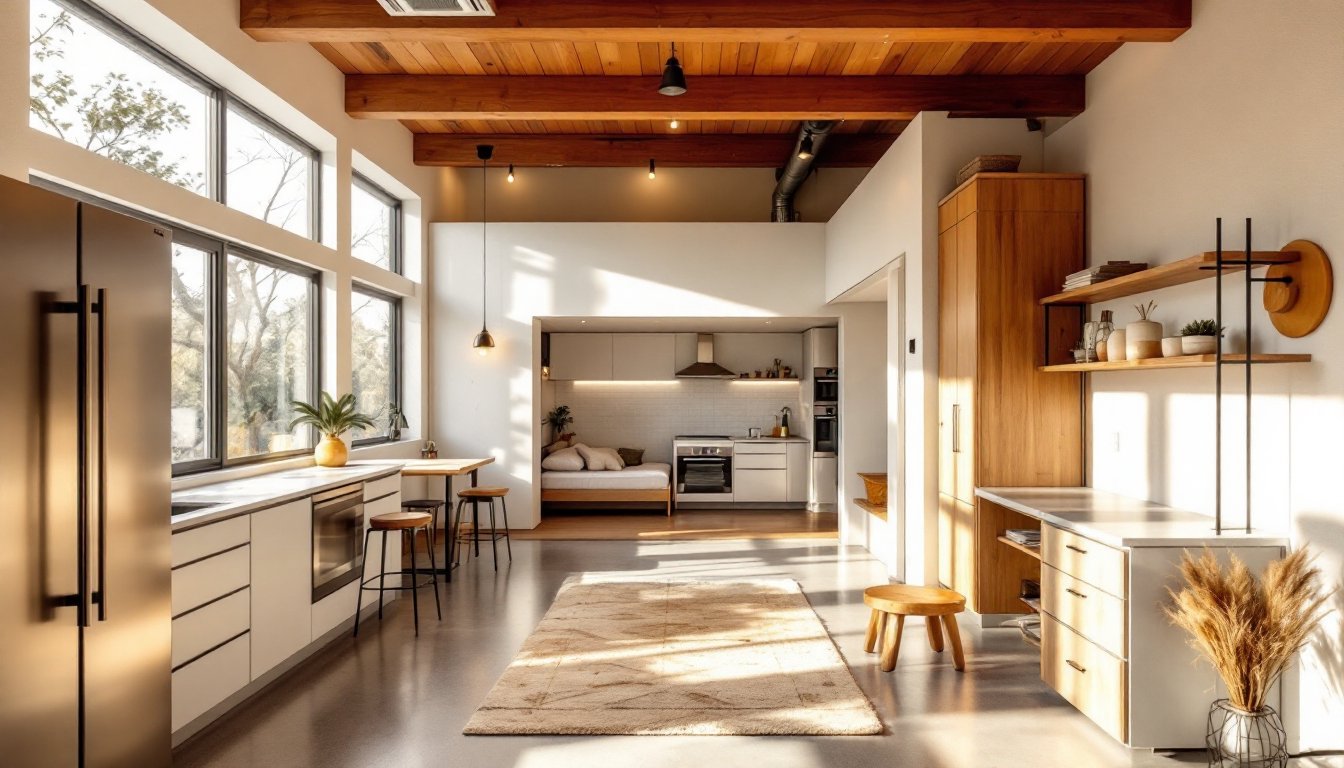
A key distinction is the use of open floor plans. Rather than dividing living, kitchen, and dining areas with walls, modern tiny homes flow continuously, which makes the space feel larger and more livable. Sight lines matter: if you can see from the entry to the far wall without obstruction, the mind perceives the space as more generous.
Material honesty is another hallmark. Modern design celebrates raw materials, exposed wood beams, polished concrete floors, metal accents, rather than hiding them. This approach reduces visual clutter and cuts renovation costs since you’re not masking structural elements.
Lighting plays an outsized role. Large windows, skylights, and strategic artificial lighting eliminate the cave-like feeling that kills small spaces. Floor-to-ceiling glazing and clerestory windows are common, even in modest footprints.
Finally, modern tiny homes prioritize built-in solutions over furniture. Instead of standalone pieces that eat floor space, recessed shelving, murphy beds, and integrated cabinetry become part of the architecture itself. This approach is more efficient and keeps surfaces clear. Many tiny homeowners explore house hacking tips to further offset costs while living in these efficient designs.
Essential Design Principles for Tiny Modern Spaces
Smart Layouts and Flow
Successful tiny modern layouts eliminate wasted hallway space and dead zones. The most effective designs use an open-concept approach where the kitchen, living, and dining areas blend into one multipurpose zone. This isn’t about cramming three rooms into one: it’s about designing each functional area so it flows naturally into the next.
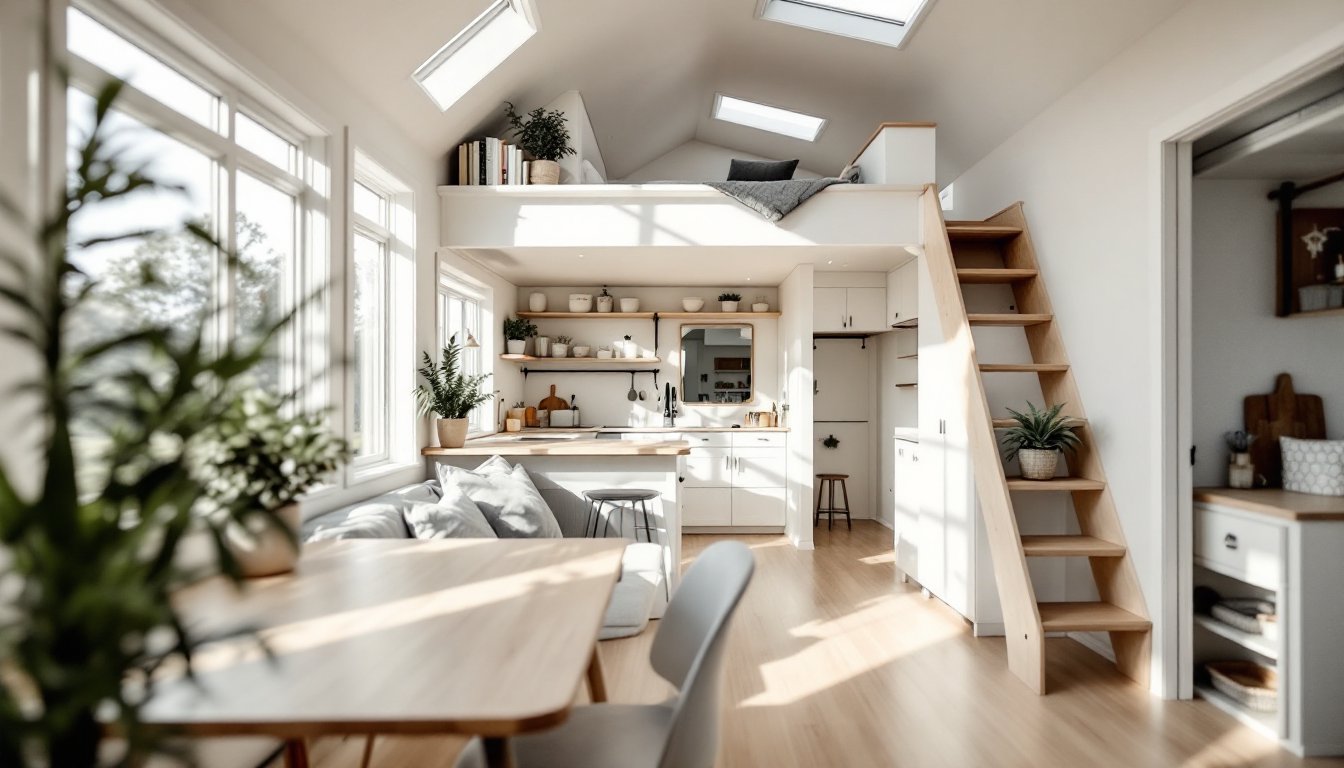
Vertical thinking is critical. Standard 8-foot ceilings feel tight in small homes, so pushing toward 10 or 12 feet, even in just part of the structure, creates breathing room. Similarly, built-in shelving that climbs the walls maximizes storage without consuming floor area.
Zoning without walls keeps movement fluid. Area rugs, slight level changes, different lighting, or a change in flooring material can define the kitchen boundary or living zone without isolating the space. This psychological separation helps the brain compartmentalize functions while the eye still sees continuity.
Door placement matters tremendously. Inward-swinging doors waste usable floor space: pocket doors or sliding barn doors tuck away completely. Even a small bathroom door that swings into the room instead of out can reclaim precious square footage.
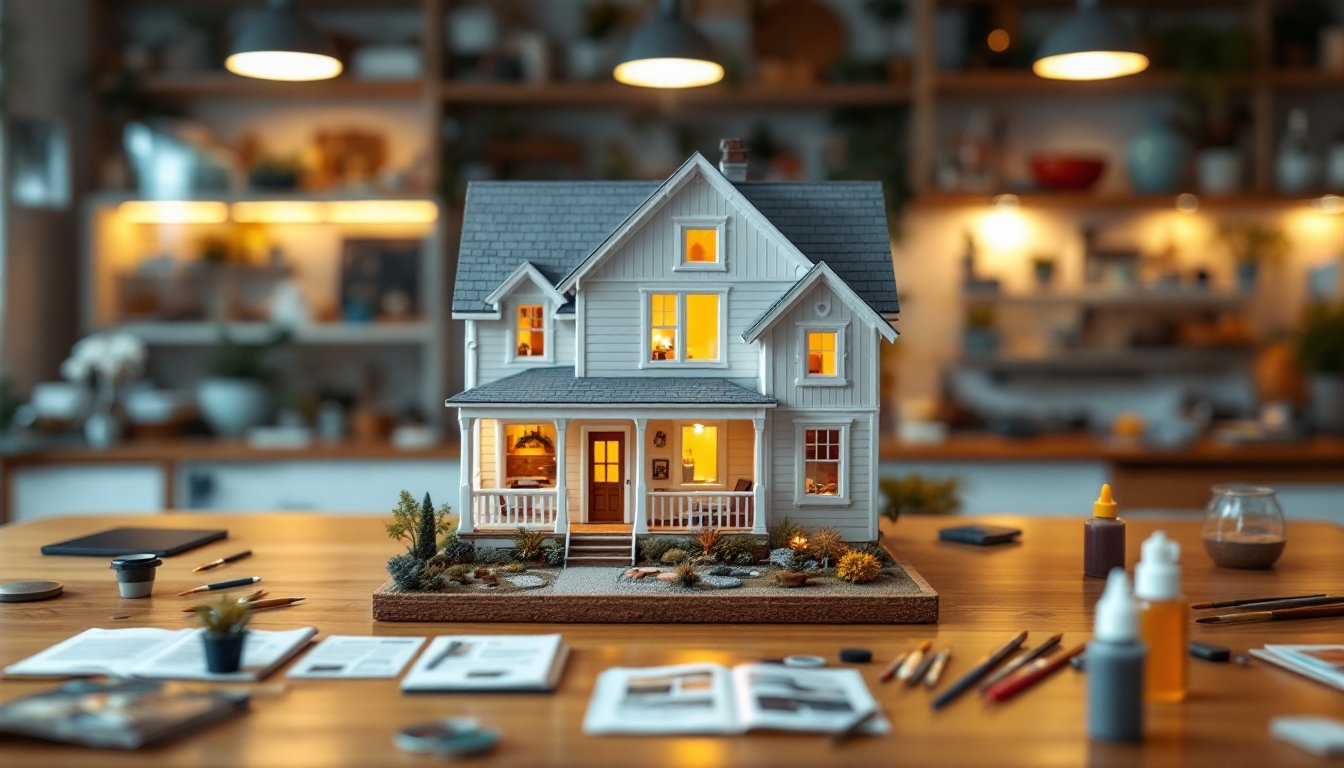
When designing a tiny modern layout, assume traffic flow patterns from the entry onward. The worst mistake is placing a bedroom door where someone must squeeze past the kitchen island. Test your layout with cardboard mockups or scaled floor plans before committing to construction.
Materials and Finishes That Define Modern Aesthetics
Modern tiny homes rely on a restrained material palette that feels cohesive and intentional. Typically, three to four primary materials dominate: one large structural element (like exposed wood or concrete), a neutral wall finish, a primary flooring material, and an accent material for visual interest.
Concrete polished or sealed is common for flooring and interior walls. It’s durable, easy to clean, and reinforces the industrial-minimal aesthetic. Expect to pay $3 to $8 per square foot installed, depending on finish quality and regional labor costs.
Wood beams and shiplap create warmth against cool concrete or drywall. Reclaimed or aged wood is popular but pricey: new wood stained to look aged costs less. Raw wood requires clear sealant to withstand moisture and touch, use a semi-gloss polyurethane for durability in kitchens and bathrooms.
Metal accents, blackened steel, brushed aluminum, or stainless, tie modern spaces together. Use these in railings, cabinet handles, light fixtures, or trim. They’re functional details that strengthen the design without adding bulk.
For walls, flat or matte paint feels more contemporary than glossy. Neutral tones, soft whites, grays, and warm beiges, recede visually and expand the perceived space. Accent walls in darker tones work but use them sparingly: they can close in a small room if overused.
Flooring should be hard-wearing and easy to maintain. Polished concrete, large-format tile, or engineered wood planks (wider planks read as more spacious than narrow boards) all work well. Avoid busy patterns or high-contrast grout lines: they fracture the visual field.
Maximizing Storage Without Clutter
The biggest challenge in tiny modern homes isn’t decoration, it’s honest storage. Every surface and wall cavity must earn its keep.
Built-in cabinetry from floor to ceiling maximizes usable volume. Instead of separate nightstands, shelving units, and dressers, integrate drawers and shelves into walls. Tall, narrow cabinet doors (rather than wide ones) feel sleek and save swing-out space. Use a skilled carpenter or cabinetmaker for this: DIY cabinet installation at this scale requires precision.
Multifunctional furniture bridges storage and living. An ottoman with a hinged top stores blankets while serving as a footrest. A bed with drawers underneath eliminates the need for a separate dresser. Kitchen islands with overhang often include base cabinets for cookware.
Vertical storage is non-negotiable. Pegboards, magnetic strips, wall-mounted racks, and floating shelves pull items up and off tables. A pot rack hung from the ceiling frees cabinet space. Keep frequently used items visible and accessible: store seasonal or backup goods higher or in less visible corners.
Closet systems should use every inch. Shelf dividers, cascading hangers, and over-the-door organizers transform a standard closet into a tidy storage machine. Measure your closet depth and width first: some systems don’t fit standard 24-inch closets without modification.
The hardest part? Discipline. A tiny modern home requires restraint: each item must justify its presence. Consider whether something truly needs a home in your space or whether renting, borrowing, or doing without makes more sense.
Practical Upgrades for Tiny Modern Living
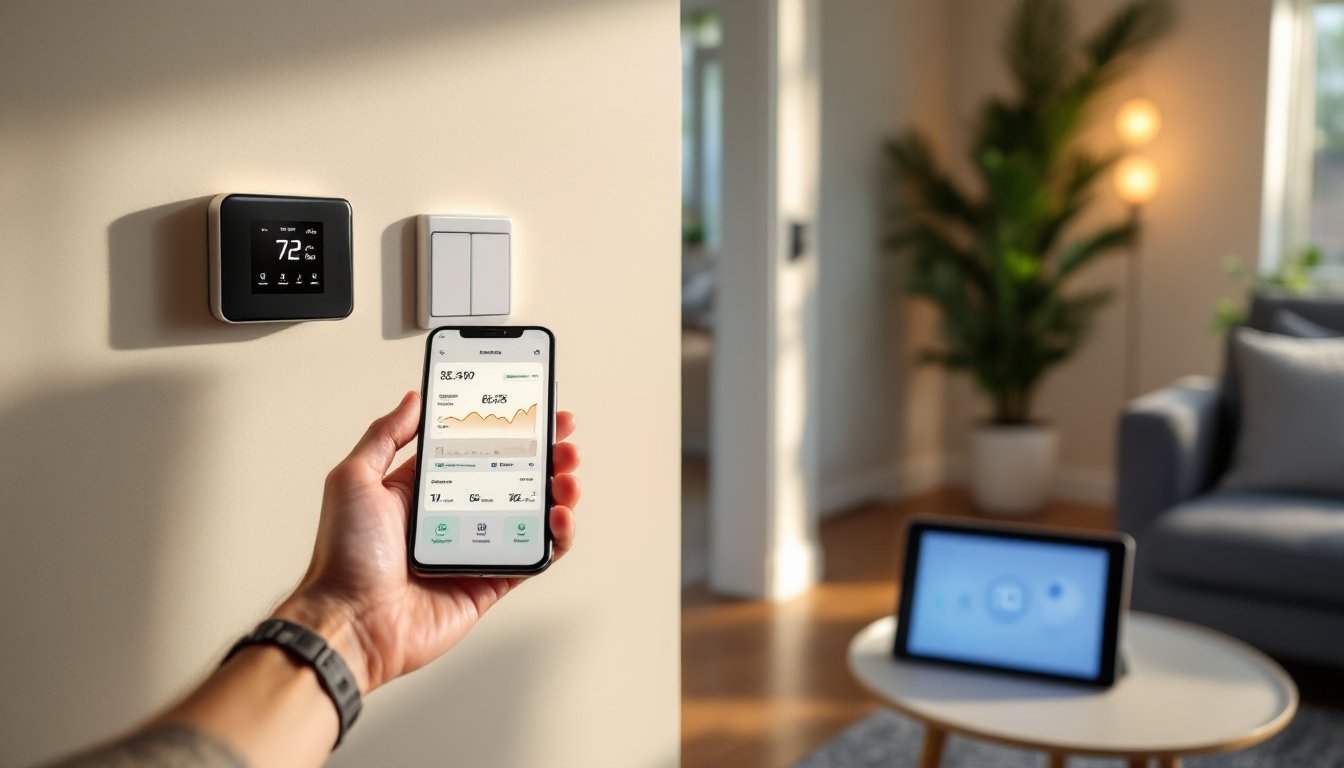
Smart technology and thoughtful fixtures make tiny homes genuinely livable rather than merely tolerable.
Lighting control matters more in small spaces. Dimmers allow you to shift the mood: overhead fixtures feel harsh in tight quarters, so layer your lighting with task lights (under-cabinet strips in kitchens), ambient sources (recessed ceiling cans with dimmer switches), and accent pieces. LED bulbs cut both energy use and heat production, which helps regulate temperature in compact areas.
Climate control can be tricky. A standard HVAC system designed for a 2,000-square-foot house overshoots in a 600-square-foot tiny home and cycles too quickly, leaving temperature dead zones. A ductless mini-split system (inverter-driven heat pump) maintains precise temperature in small footage and costs less to run. Many require professional installation: verify local HVAC codes before purchasing.
Bathroom and kitchen fixtures scaled appropriately prevent the space from feeling like a doll house. A standard 30-inch vanity in a tiny bath is fine: a 48-inch one chokes the room. Wall-mounted toilets and sinks free floor space and ease cleaning.
Ventilation prevents moisture buildup in tight envelopes. A bathroom exhaust fan rated for your space (usually 50 to 80 CFM for a small bath) should vent directly outside, not into the attic. Undersizing ventilation invites mold and mildew, common tiny-home killers. Check local residential building codes: most jurisdictions require humidity control.
Insulation and air sealing affect both comfort and utility bills. Tiny homes have a high surface-area-to-volume ratio, meaning more wall, roof, and floor space relative to interior volume. Extra insulation (R-21 walls, R-38 roof minimum, depending on climate zone) reduces heating and cooling loss. Seal gaps around penetrations, electrical outlets, plumbing, and ductwork, with foam sealant or caulk.
Conclusion
Tiny modern houses prove that small doesn’t mean cramped or aesthetically compromised. By anchoring your design in open layouts, restrained materials, smart storage, and thoughtful upgrades, you create a space that feels intentional and livable. The key is planning carefully before construction or renovation, measure twice, cut once, and remember that prep work determines success. Resources like Design Milk and Homedit offer visual inspiration for modern design, while Dwell’s tiny house design guide provides comprehensive examples. Start with a clear program of what you actually need, choose a tight material palette, and build in flexibility so your space adapts as your life does.